I still remember the afternoon I made my first cold process soap. Hands shaking slightly as I weighed out the lye, heart pounding as I watched the temperature climb on my candy thermometer. The kitchen window stood wide open despite the February chill because I'd read horror stories about lye fumes. Three hours later, I had a mold full of something that looked like cake batter. Six weeks after that, I had soap—real soap that I'd made from scratch.
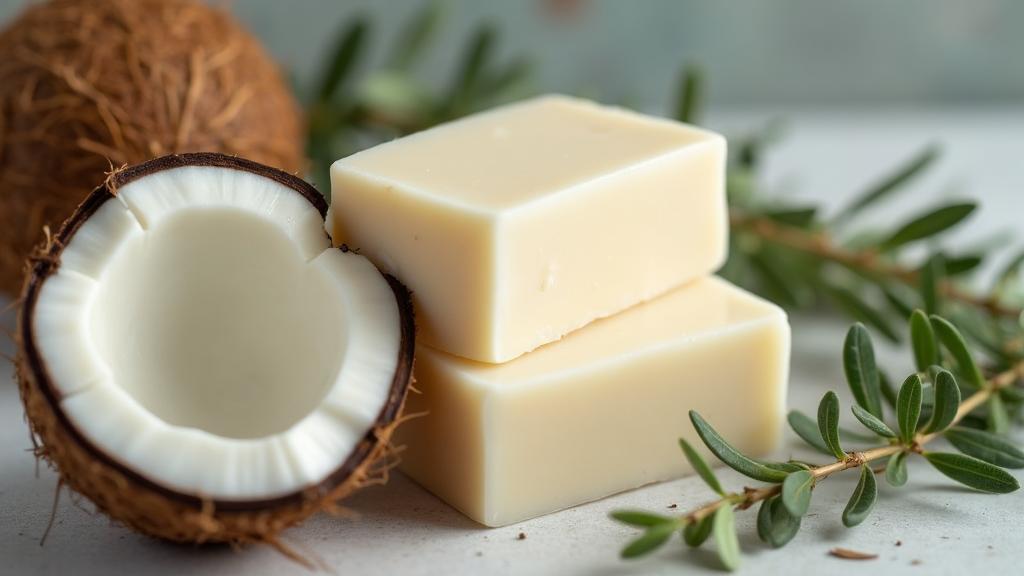
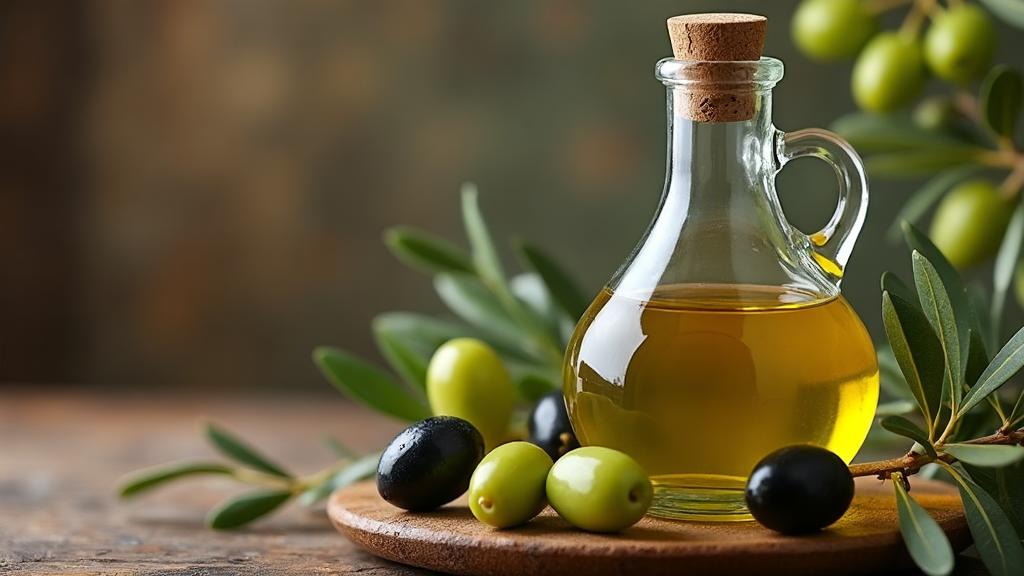
Castile soap represents the simplest form of cold process soap making. Named after the Castile region of Spain, where it originated centuries ago, this recipe uses only olive oil as its fat source. No coconut for bubbles, no palm for hardness—just pure olive oil transformed through saponification into a gentle, mild bar.
The process requires respect. Sodium hydroxide, commonly called lye, is a caustic substance that demands proper handling. I won't sugarcoat this: lye can cause serious burns. But with appropriate safety gear and careful attention to procedure, millions of people make cold process soap safely at home every year. Think of lye like fire—dangerous if mishandled, but essential and manageable when treated with proper caution.
What makes this recipe special is its simplicity and the resulting bar's gentleness. Pure olive oil soap produces minimal lather compared to recipes containing coconut oil, but the low, creamy bubbles feel luxurious against skin. Many soapmakers prize Castile soap for its mildness, making it suitable for those with sensitive skin or a preference for minimalist products.
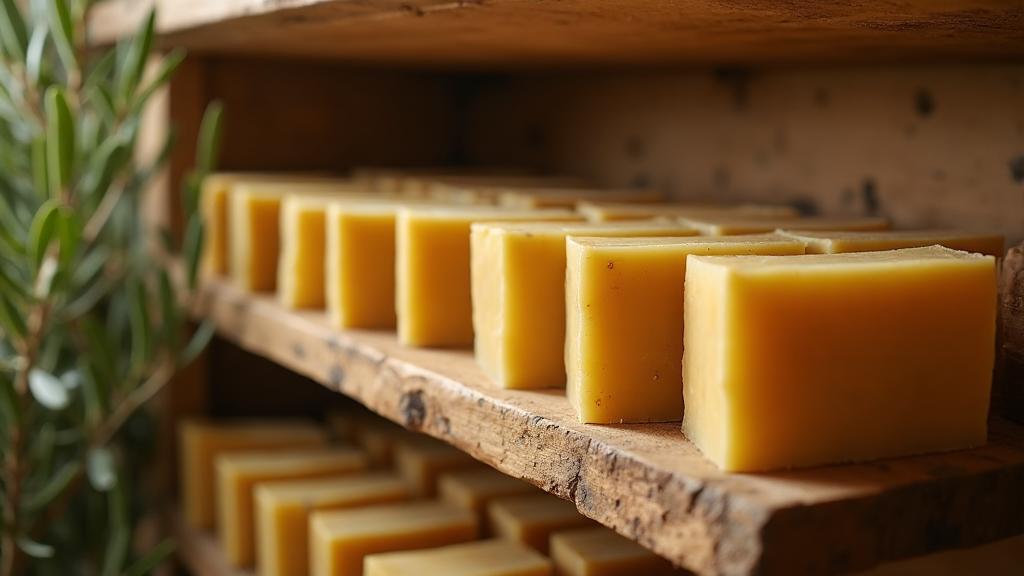
The trade-off for simplicity is patience. Olive oil soap traces slowly—sometimes taking thirty minutes or more of stick blending. It also requires an extended cure time, ideally six weeks or longer, to develop its best qualities. The reward for this patience is a hard, long-lasting bar that improves with age, much like fine cheese or wine.
Safety Warnings
- ALWAYS wear safety goggles and chemical-resistant gloves
- Work in a well-ventilated area - lye fumes are harmful
- NEVER add water to lye - always add lye to water
- Keep vinegar nearby to neutralize any lye spills on skin
- Keep children and pets away from your workspace
- Use dedicated soap-making equipment - do not reuse for food
Tools Needed
- Safety goggles and chemical-resistant gloves
- Digital kitchen scale (accurate to 0.1g)
- Heat-resistant plastic or stainless steel containers
- Stick blender (immersion blender)
- Silicone soap mold
- Thermometer
- Long-sleeved shirt and apron
Ingredients
Step-by-Step Instructions
Prepare Your Workspace
Put on safety goggles, gloves, and protective clothing. Ensure good ventilation. Measure all ingredients by weight.
Make the Lye Solution
Pour distilled water into a heat-resistant container. Slowly add lye to the water while stirring. NEVER add water to lye. The solution will heat up to 200°F.
Prepare the Oils
Weigh olive oil into a large container. No heating needed for this recipe as olive oil is liquid at room temperature.
Combine When Temperatures Match
Wait until both lye solution and oils are between 100-110°F. Slowly pour lye solution into oils while stick blending.
Blend to Trace
Continue blending until mixture reaches "trace" - when drizzled soap leaves a visible trail on the surface. This may take 10-30 minutes with pure olive oil.
Pour and Insulate
Pour traced soap into mold. Cover with cardboard and wrap with towels to insulate for 24-48 hours.
Unmold and Cure
After 24-48 hours, unmold and cut into bars. Place bars on a rack in a cool, dry place to cure for 4-6 weeks.
🔧 Common Mistakes & Fixes
📦 Storage Tips
- Cure for minimum 4 weeks, 6+ weeks is better for olive oil soap
- Store cured bars in breathable containers (not airtight)
- Keep in cool, dry place away from humidity
- Properly cured soap lasts 1-2 years
Real DIYer Story
"I got impatient waiting for trace and poured too early. The soap separated in the mold - oils on top, lye water on bottom. I had to rebatch the whole thing."
— Mike T.
🔗 References & Further Reading
Independent sources for the chemistry and safety information on this page. We are not affiliated with any of them.
- 1.Soap Making Safety(opens in a new tab)
Handcrafted Soap and Cosmetic Guild
Workspace, storage, and handling practices specific to lye-based soap making.
- 2.Saponification(opens in a new tab)
Wikipedia
The chemical reaction behind every bar of real soap, with reaction equations and history.
- 3.Sodium Hydroxide (CID 14798)(opens in a new tab)
PubChem, National Library of Medicine
Full chemical and hazard profile for lye, including GHS classification and handling data.
- 4.Sodium Hydroxide Poisoning(opens in a new tab)
MedlinePlus, National Institutes of Health
Symptoms and emergency first-aid steps for lye exposure. Worth reading before you open the bottle.
- 5.Personal Protective Equipment — Overview(opens in a new tab)
U.S. Occupational Safety and Health Administration
What eye, hand, and skin protection actually protects against, and how to choose it.
- 6.Poison Help(opens in a new tab)
U.S. Health Resources and Services Administration
Poison control hotline and online help. Keep this reachable while you work.
- 7.Handcrafted Soap and Cosmetic Guild(opens in a new tab)
HSCG
Industry association for handcrafted soap makers, with labeling and regulatory guidance.
- 8.Safer Chemical Ingredients List(opens in a new tab)
U.S. Environmental Protection Agency
EPA-reviewed ingredients grouped by function, useful when substituting additives.