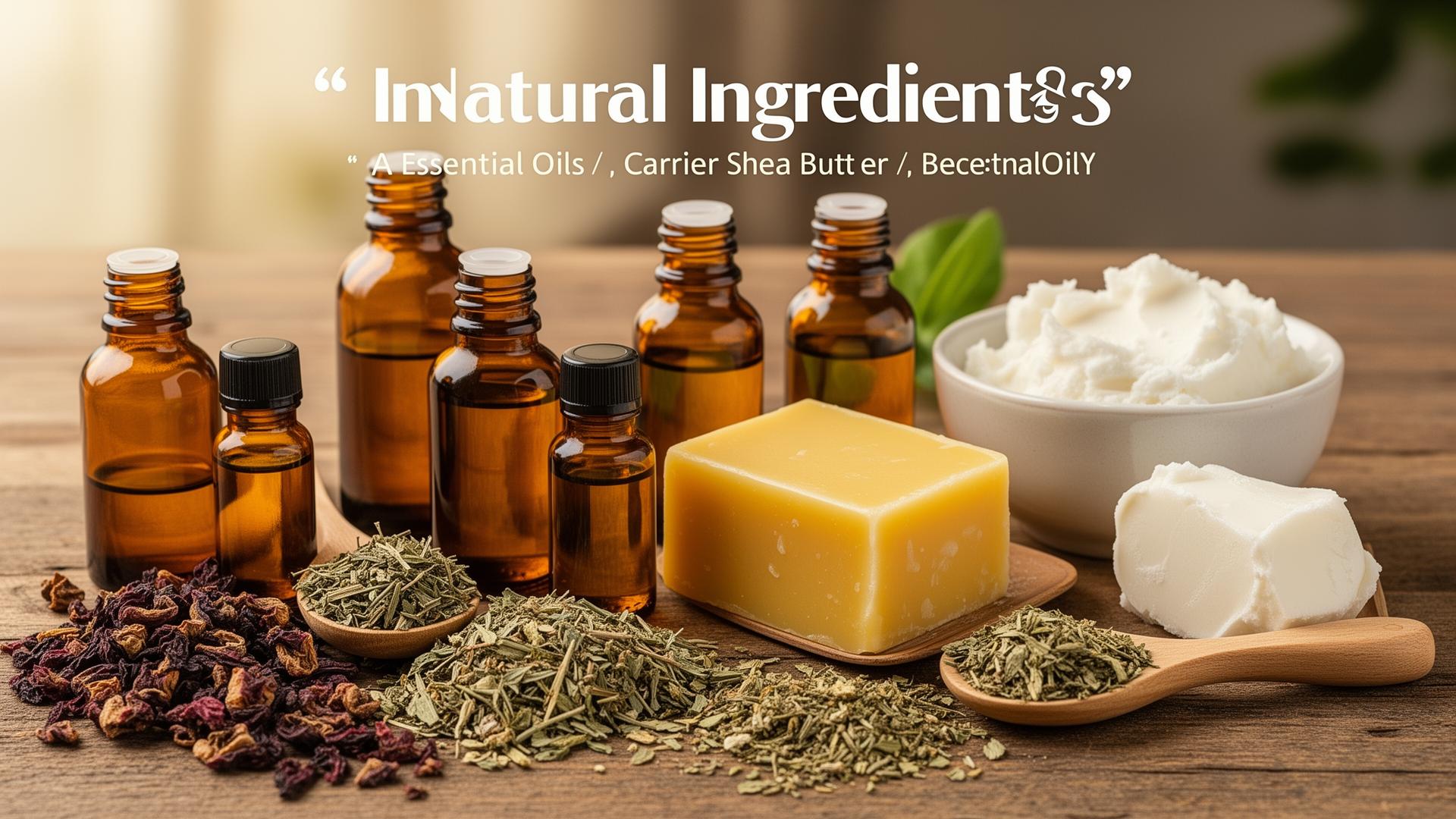
Ingredient Guide
Everything you need to know about natural ingredients for soap making and body care. Safety information, usage rates, and substitutions.
Hazardous Ingredients Warning
Sodium Hydroxide (Lye)
Danger: Severe chemical burns, blindness
Handling: Full PPE required. Never add water to lye. Work in ventilated area.
Storage: Airtight container, away from moisture, children, pets.
Potassium Hydroxide (KOH)
Danger: Severe chemical burns, more reactive than NaOH
Handling: Same precautions as lye. Used for liquid soap.
Storage: Absorbs moisture from air. Keep very dry.
Undiluted Essential Oils
Danger: Skin burns, sensitization, allergic reactions
Handling: Always dilute in carrier oil. Patch test first.
Storage: Dark glass bottles, cool place, away from children.
Olive Oil (Pomace)
Source: Olive fruit
Common Uses: Cold process soap, body oils
Properties: Creates hard bar with low lather. Traditional castile soap base.
SAP Value (NaOH): 0.134
Coconut Oil
Source: Coconut meat
Common Uses: All soap types, body butters
Properties: Creates very hard bar with big, fluffy lather. Very cleansing.
SAP Value (NaOH): 0.190
Sweet Almond Oil
Source: Almond kernels
Common Uses: Body oils, lotions, hair care
Properties: Light, easily absorbed. Mild, neutral scent.
SAP Value (NaOH): 0.136
Castor Oil
Source: Castor beans
Common Uses: Soap making (5-10%), hair care
Properties: Creates stable, fluffy lather. Very thick consistency.
SAP Value (NaOH): 0.128
Jojoba Oil
Source: Jojoba seeds
Common Uses: Skincare, hair care, massage
Properties: Technically a liquid wax. Long shelf life, stable.
SAP Value (NaOH): 0.069
Avocado Oil
Source: Avocado fruit
Common Uses: Soap making, body oils
Properties: Rich, heavy oil. Green color (unrefined).
SAP Value (NaOH): 0.133
Common Substitutions
If you don't have...
- Shea Butter → Mango butter, kokum butter, or cocoa butter
- Coconut Oil → Palm kernel oil or babassu oil
- Olive Oil → Sunflower oil or rice bran oil
- Beeswax → Candelilla wax (use 50% of amount) or soy wax
- Sweet Almond Oil → Apricot kernel oil or grapeseed oil
Substitution Tips
- Always recalculate lye when substituting oils in soap
- Match substitutes by consistency (liquid for liquid, solid for solid)
- Test small batches first when using new ingredients
- Consider allergies when substituting nut-based oils
Ingredient Guides
View All Recipes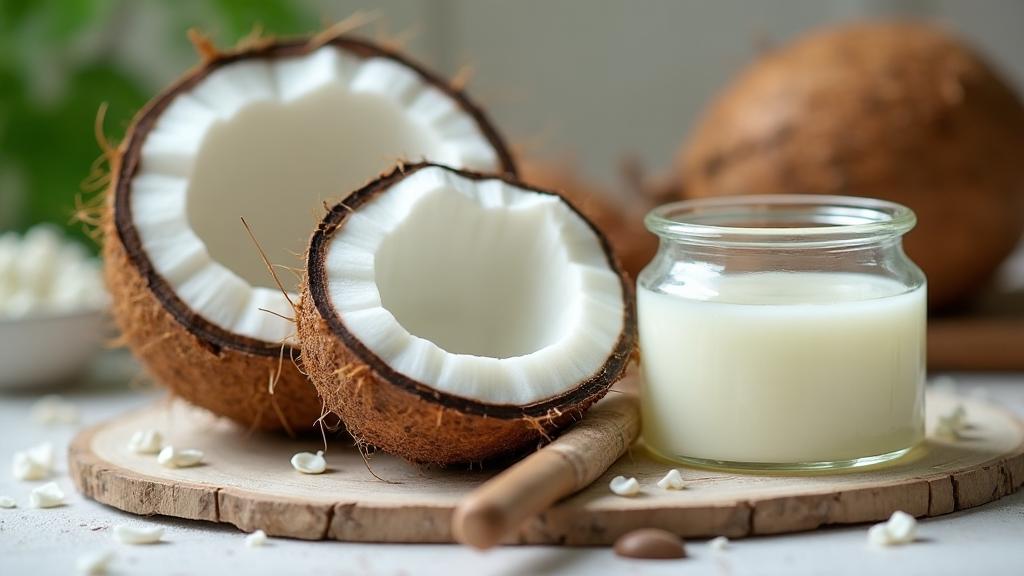
Complete Guide to Coconut Oil in Soap Making
Everything you need to know about using coconut oil in handmade soap - types, ratios, and substitutions.
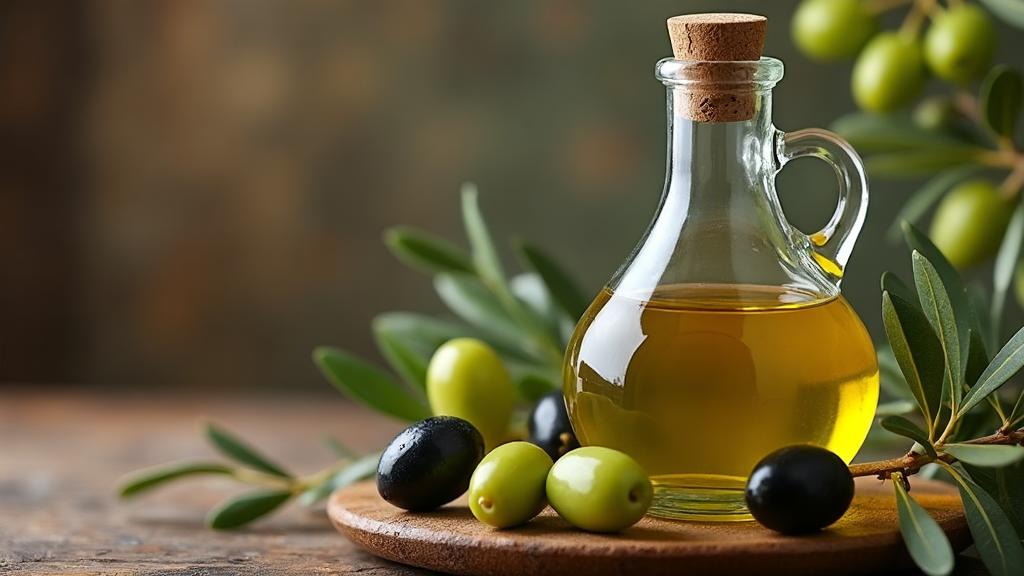
Complete Guide to Olive Oil in Soap Making
Understanding olive oil varieties, usage tips, and why Castile soap takes so long to trace.
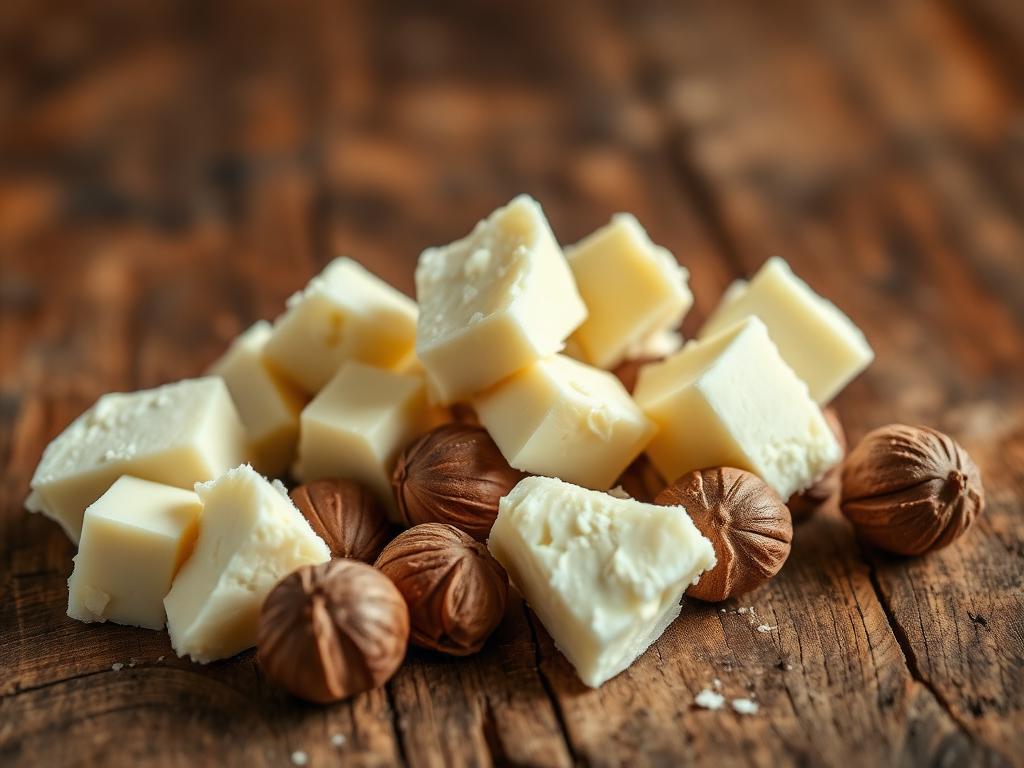
Complete Guide to Shea Butter in DIY Skincare
How to use shea butter in body butters, lip balms, and soap - grades, substitutions, and tips.
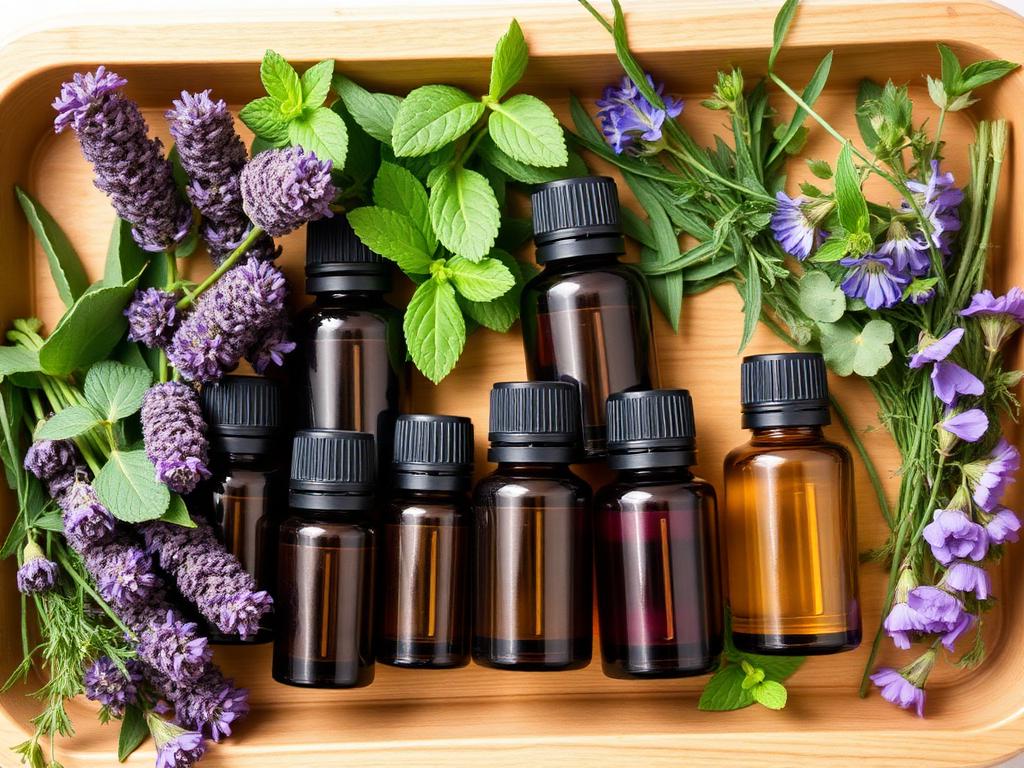
Essential Oils Guide for Soap Making & Skincare
How to choose, blend, and safely use essential oils in your DIY projects. Includes popular blends and safety information.
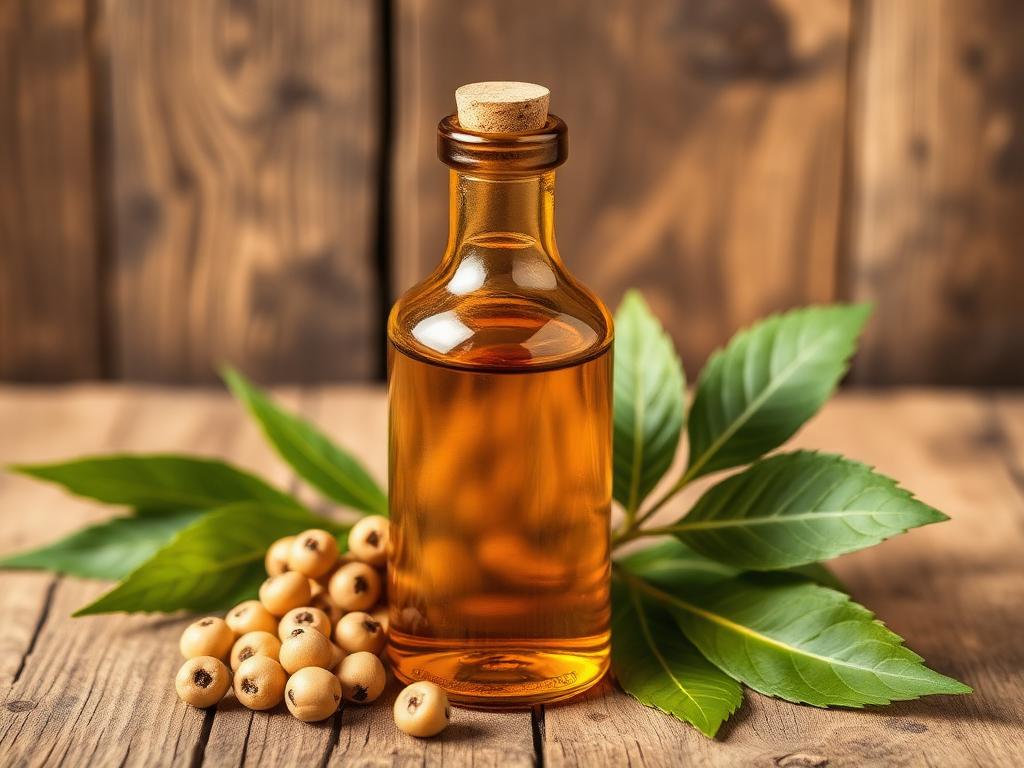
Complete Guide to Castor Oil in Soap Making
Understanding castor oil's unique properties and why it creates amazing lather in cold process soap.
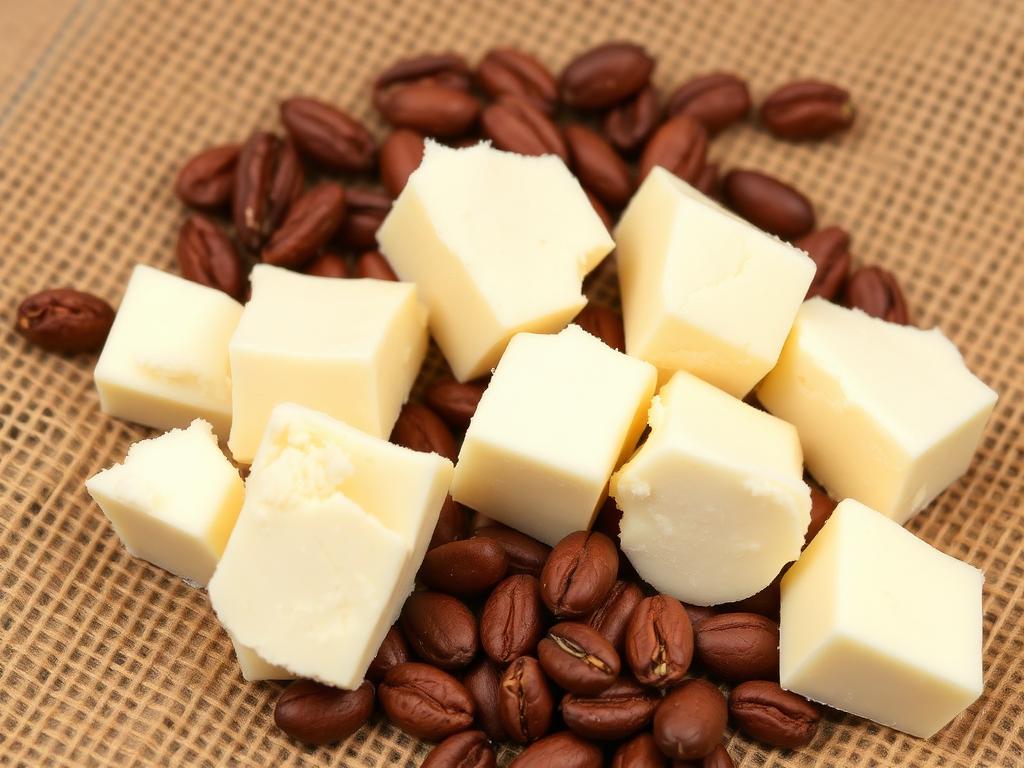
Complete Guide to Cocoa Butter in DIY Skincare
How to use cocoa butter in lotions, body butters, lip balms, and soap. Tips for avoiding the chocolate smell.