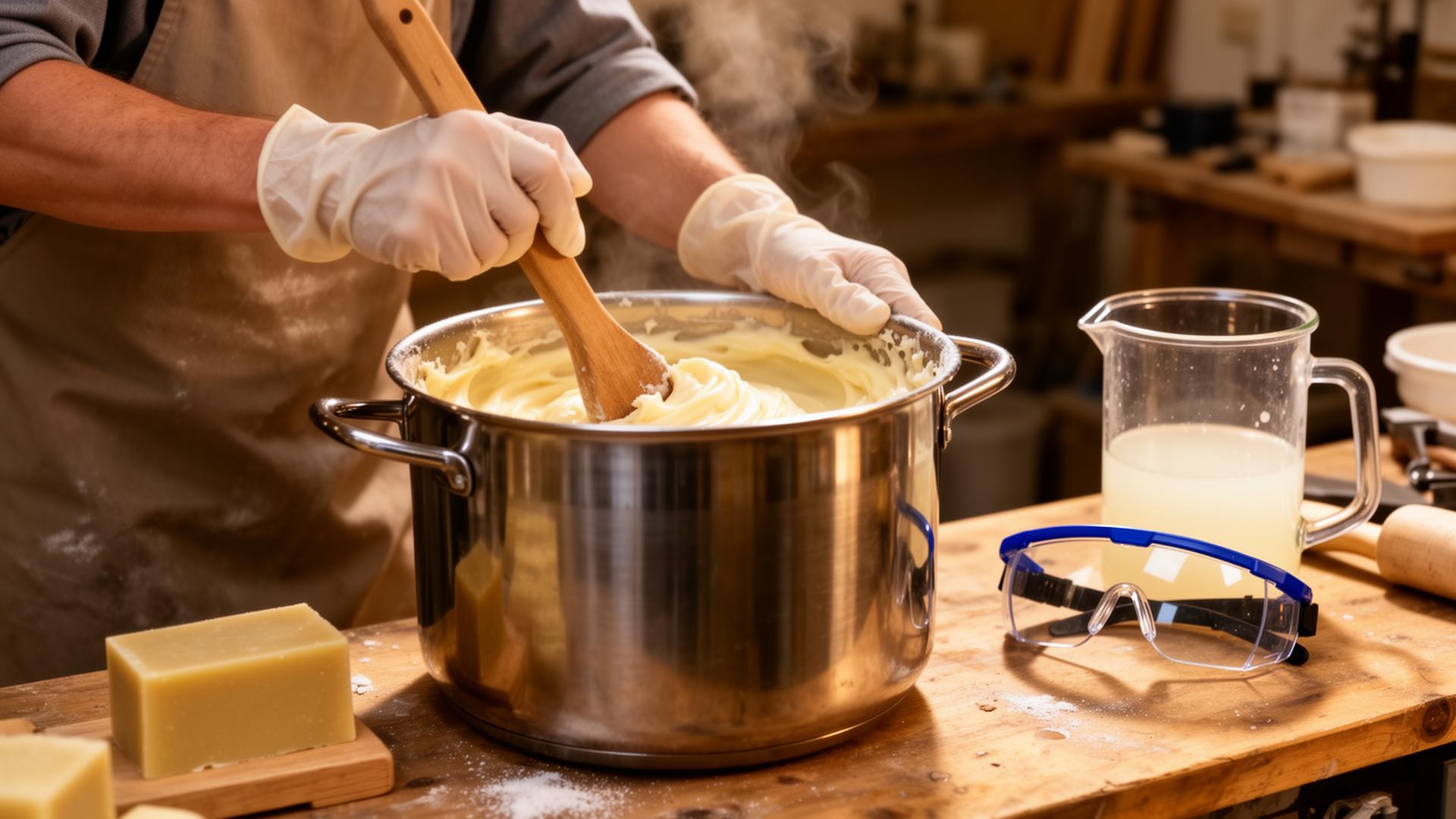
Cold Process Soap Making
Traditional soap making from scratch using oils and lye. Full control over ingredients, but requires careful handling of caustic materials.
⚠️ CRITICAL SAFETY WARNING ⚠️
- NEVER add water to lye – always add lye to water slowly
- ALWAYS wear full protective gear (goggles, gloves, long sleeves)
- NEVER make soap when children or pets are present
- ALWAYS work in a well-ventilated area – lye fumes are harmful
- KEEP vinegar nearby – but for equipment cleaning only, NOT for skin burns
Required Safety Gear
Safety Goggles
Full coverage, splash-proof. Regular glasses are NOT enough.
Chemical-Resistant Gloves
Nitrile or rubber gloves. Latex may not provide adequate protection.
Long Sleeves & Pants
Cover all exposed skin. Natural fibers preferred (cotton).
Closed-Toe Shoes
No sandals. Protect feet from potential spills.
Face Mask (Optional)
N95 mask helps if you're sensitive to lye fumes.
Apron
Protects clothing from splashes and oil stains.
First Aid for Lye Exposure
Lye on skin
Immediately flush with cool running water for 15-20 minutes. Remove contaminated clothing. Seek medical attention.
Lye in eyes
Flush immediately with cool water for at least 20 minutes. Hold eyelids open. Call poison control or go to ER immediately.
Lye ingested
Do NOT induce vomiting. Drink water or milk to dilute. Call poison control immediately: 1-800-222-1222 (US).
Lye fumes inhaled
Move to fresh air immediately. If breathing is difficult, seek medical attention.
US Poison Control: 1-800-222-1222 | UK: 111 | Australia: 13 11 26
Beginner Recipe: Classic Olive Oil Castile Soap
Oils:
- • Olive Oil (Pomace): 32 oz (100%)
Lye Solution:
- • 4.2 oz sodium hydroxide (NaOH)
- • 10 oz distilled water
Step-by-Step Process:
- 1.Prepare workspace: Cover surfaces with newspaper, ensure ventilation
- 2.Put on ALL safety gear: goggles, gloves, long sleeves, closed shoes
- 3.Weigh lye and water separately using digital scale
- 4.Slowly add lye to water (NEVER water to lye) in heat-safe container
- 5.Stir until lye fully dissolves, allow to cool to 100-110°F
- 6.Heat oils to 100-110°F (same temperature as lye solution)
- 7.Slowly pour lye solution into oils, stirring constantly
- 8.Blend with stick blender until 'trace' (pudding-like consistency)
- 9.Pour into prepared mold, tap to remove air bubbles
- 10.Cover with cardboard, wrap in towels for 24-48 hours
- 11.Unmold, cut into bars, cure for 4-6 weeks before use
Real Maker Mistakes (Learn from Us!)
The Volcano Soap Disaster
– Sarah M., Ohio
"I added fragrance oil at too high temperature. The soap mixture literally erupted out of my pot like a volcano. Learned to always test fragrance oils and add at lower temps."
Always test fragrance oils in small batches first. Add at trace, not before.
The Crumbly Mess
– Mike T., Texas
"My first batch looked perfect but crumbled when I tried to cut it. Turns out I miscalculated the lye – always use a lye calculator and a precise scale!"
Always use a reliable lye calculator. Measure by weight, not volume.
The Curing Process
Cold process soap must cure for 4-6 weeks minimum before use. During this time:
- Saponification completes – lye fully reacts with oils
- Excess water evaporates – soap becomes harder and longer-lasting
- pH levels stabilize – soap becomes gentle enough for use
Storage tip: Cure on a rack with good air circulation, turning bars weekly. Keep away from direct sunlight.
More Cold Process Recipes
View All Recipes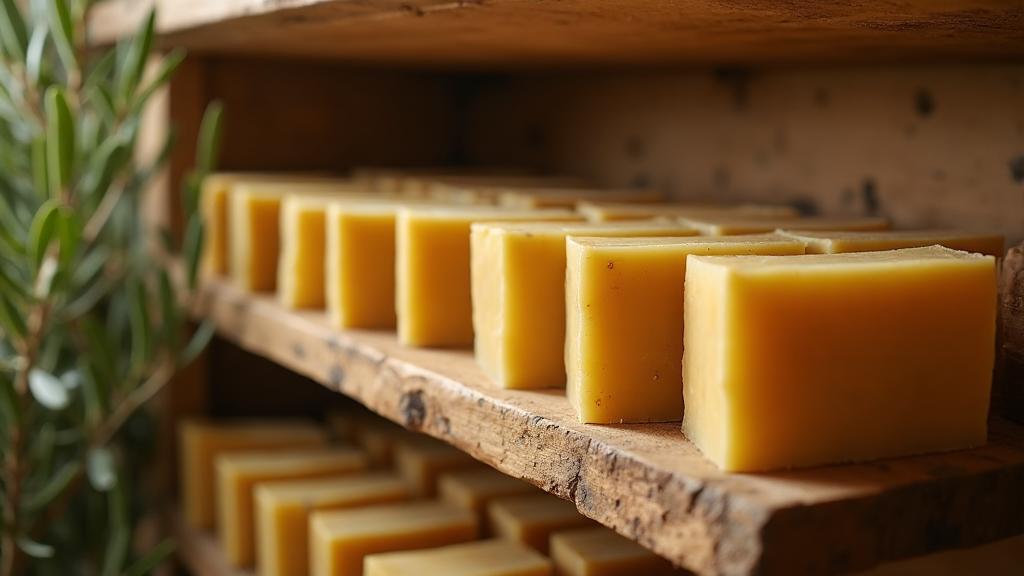
Basic Olive Oil Cold Process Soap (Intermediate, 2 Hours + Cure)
A classic Castile-style soap made with pure olive oil. Requires lye handling but produces a gentle, long-lasting bar.
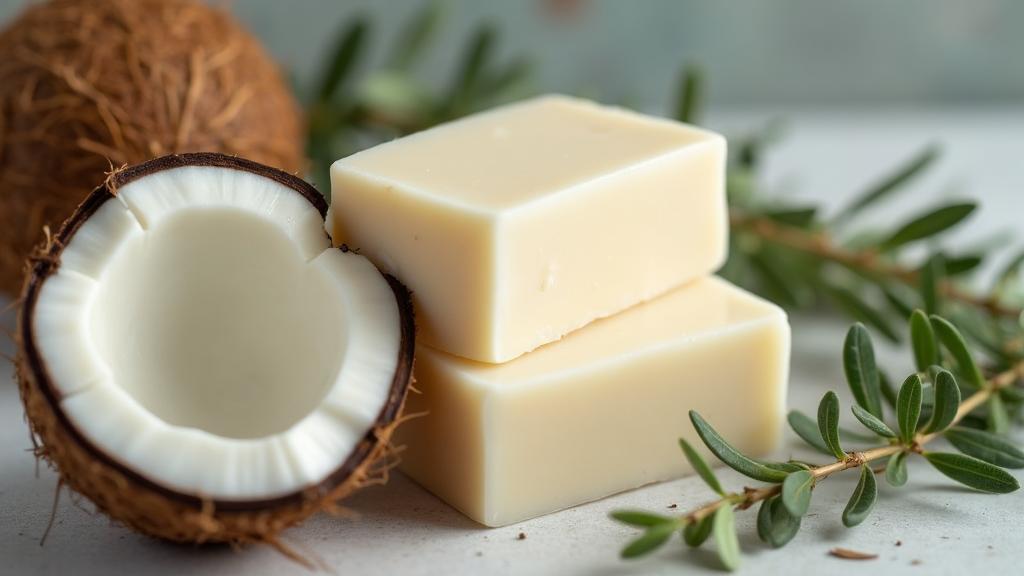
Coconut & Olive Oil Cold Process Soap (Intermediate, 2 Hours + Cure)
A balanced recipe combining coconut and olive oils for a bubbly yet gentle bar. Classic cold process method.
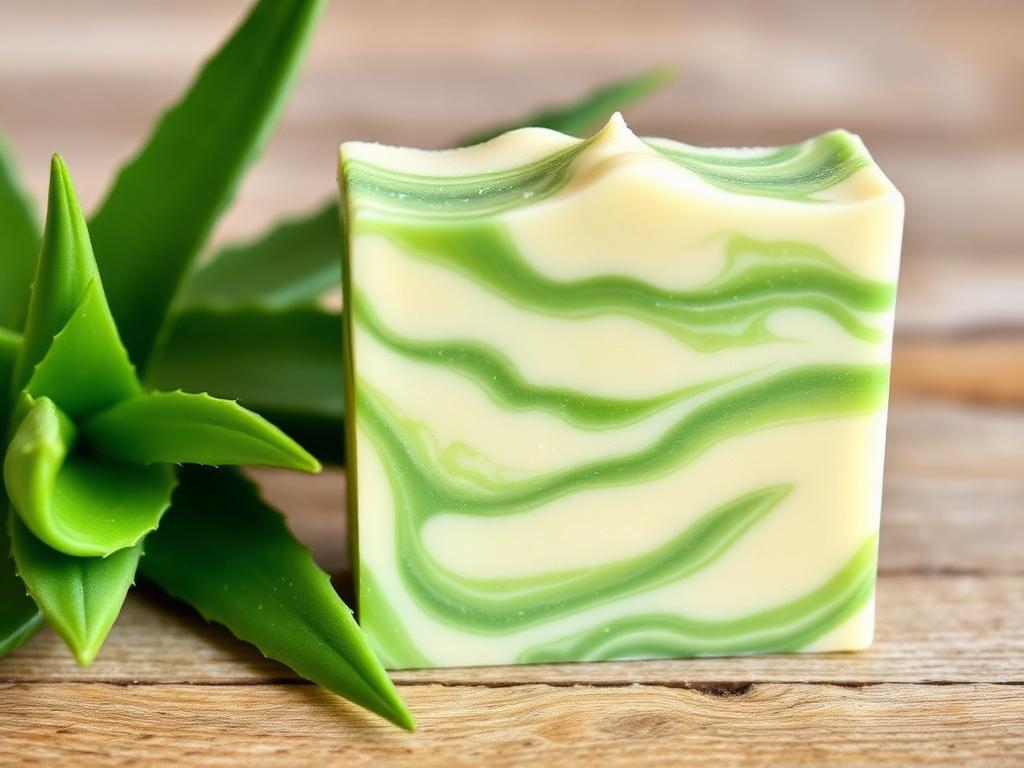
Aloe Vera Cold Process Soap (Intermediate, 2.5 Hours + Cure)
A soothing soap made with fresh aloe vera gel replacing part of the water. Beautiful green color and gentle formula.
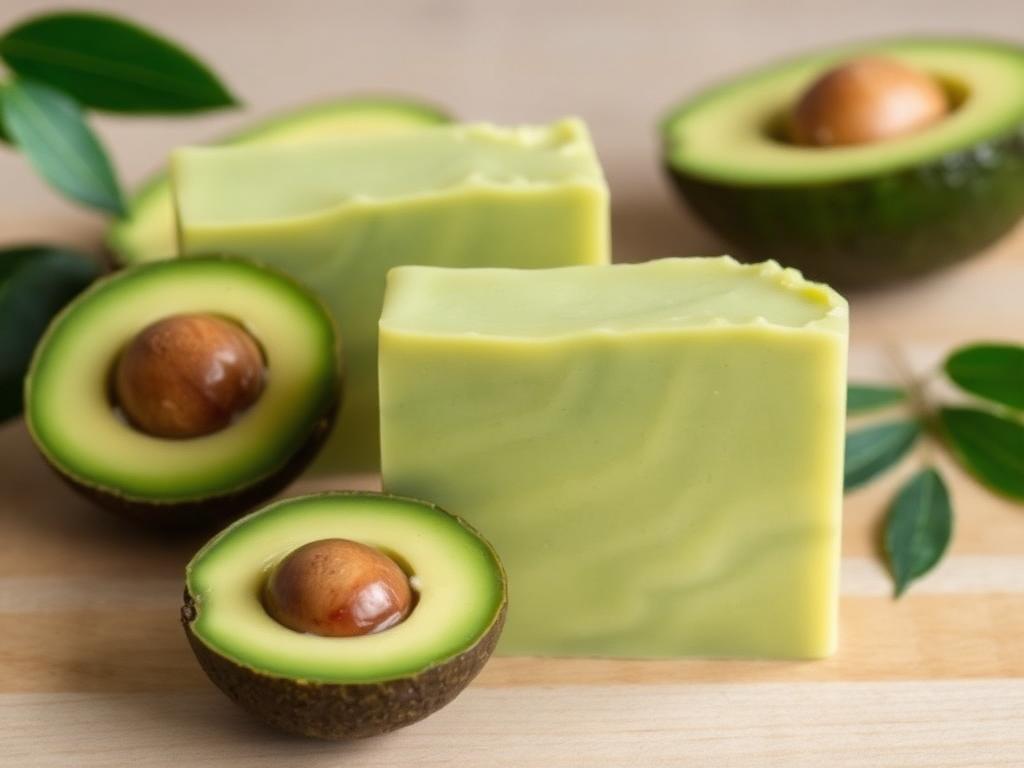
Creamy Avocado Cold Process Soap (Intermediate, 2 Hours + Cure)
A luxuriously creamy soap using avocado oil and fresh avocado puree for a spa-worthy bar.
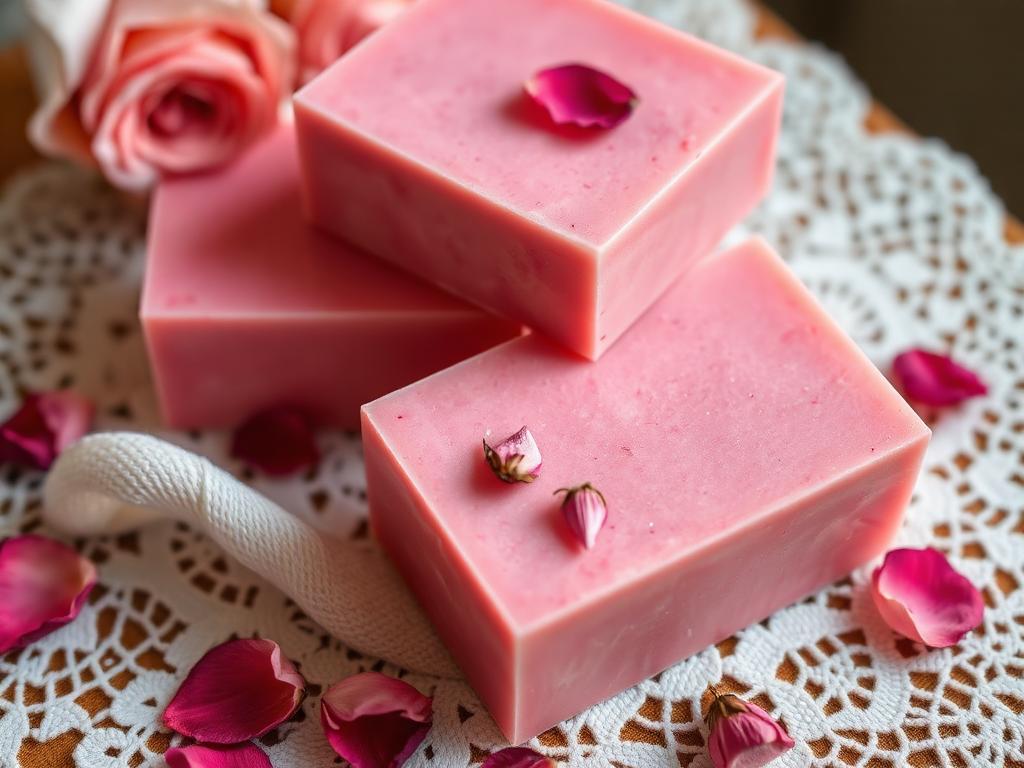
Rose Petal & Pink Clay Soap (Intermediate, 2 Hours + Cure)
A romantic, elegant soap with rose clay for natural pink color and dried rose petals for decoration.
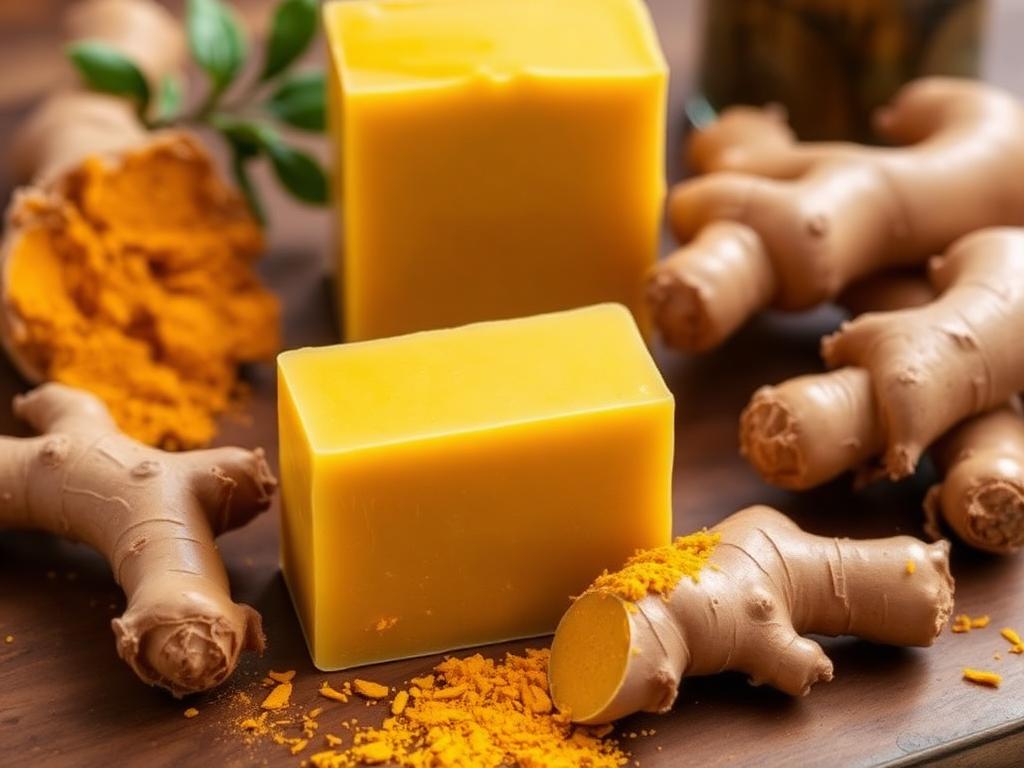
Turmeric & Ginger Spice Soap (Intermediate, 2 Hours + Cure)
A warming, golden soap using real turmeric and ginger for natural color and subtle spice notes.