Olive oil and soap share a history stretching back thousands of years to the Mediterranean civilizations that first pressed olives for their precious oil. The same substance that dressed salads and lit lamps also cleaned bodies and laundered clothes. This ancient connection endures today—olive oil remains one of the most beloved soap-making ingredients worldwide.
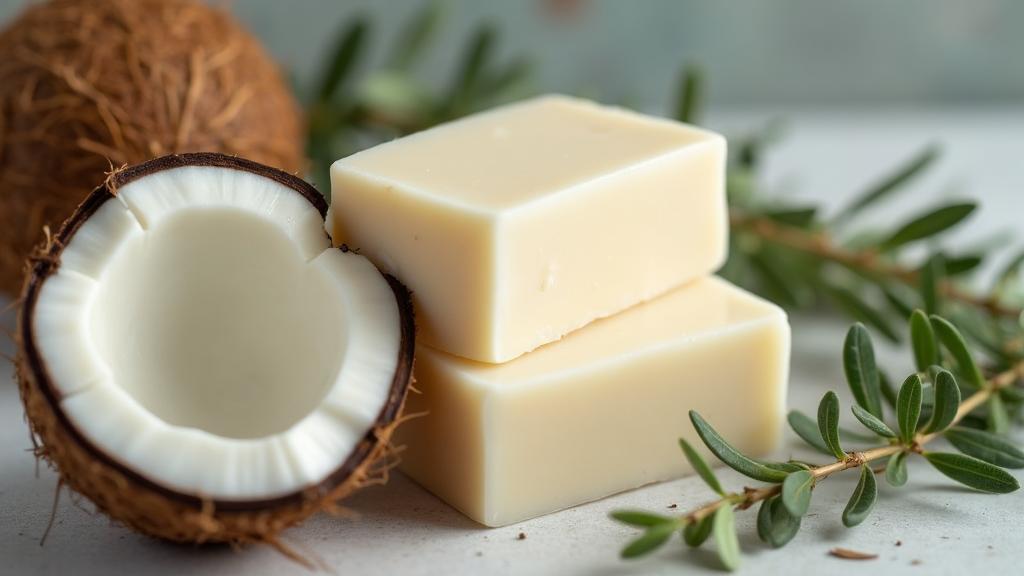
Castile soap, named for the Spanish region where it originated, traditionally uses one hundred percent olive oil. The resulting bars are legendarily gentle, so mild that many parents choose pure Castile soap for their babies' first baths. But olive oil's gentleness comes with quirks that every soapmaker must understand to use it successfully.
Chief among these quirks is the phenomenon known as trace. When lye solution meets oils, the mixture gradually thickens as saponification begins. Most oil blends reach trace—the point where the mixture holds a visible pattern when drizzled across its surface—within minutes. Olive oil takes its sweet time. I've stood at my kitchen counter for forty-five minutes, stick blender in hand, waiting for pure olive oil soap to reach trace. Patience isn't optional; it's mandatory.
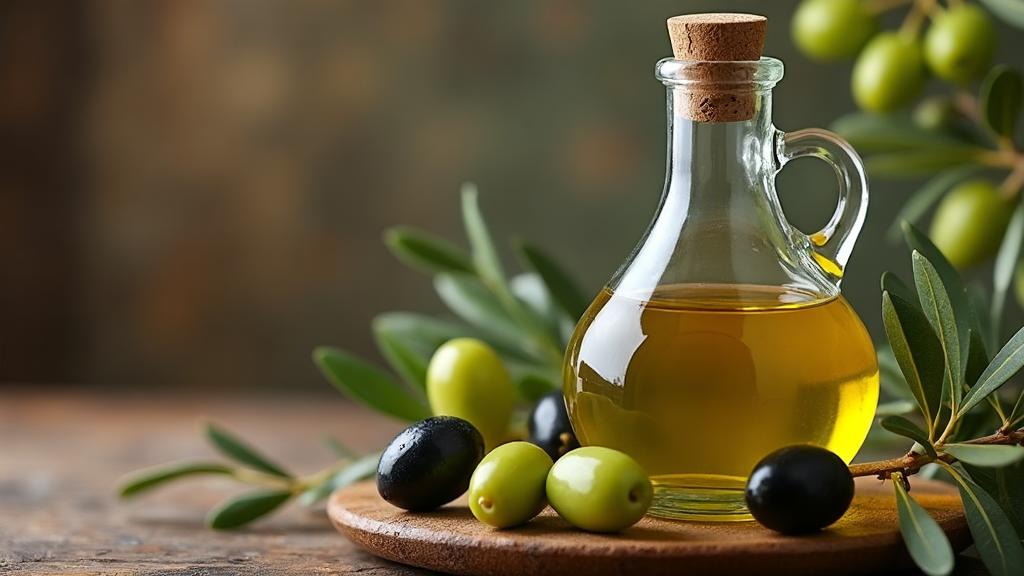
The different grades of olive oil matter more for your wallet than for your soap. Extra virgin olive oil, cold-pressed from the first pressing and prized for cooking, costs significantly more than lower grades. In soap, that premium buys you nothing. The saponification process transforms the oil completely, neutralizing any subtle flavor differences that justify extra virgin's higher price. Smart soapmakers save money by using pomace olive oil, extracted from the leftover pulp after higher grades have been pressed out. Pomace actually traces faster than virgin grades, offering both economy and convenience.
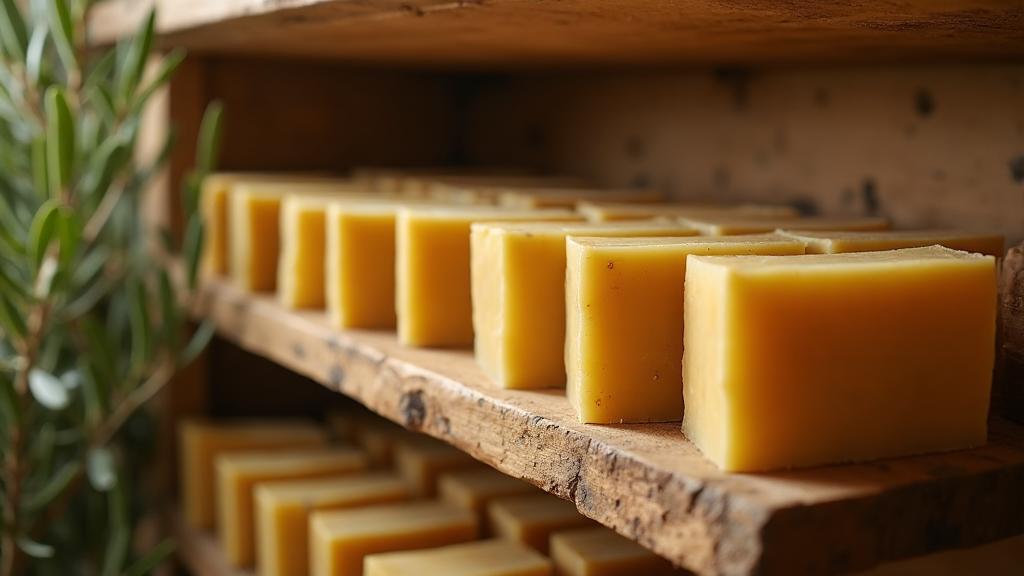
One characteristic of olive oil soap deserves special mention: the cure time. While most cold process soaps are usable after four weeks, olive oil soap continues improving for months. Six-month-old Castile soap feels completely different from six-week-old—harder, smoother, more luxurious. If you can resist using your bars immediately, the waiting rewards you with superior quality.
Safety Warnings
- Olive oil soap requires long cure time (4-6 weeks minimum)
- 100% olive oil soap traces very slowly - be patient
- Some people may have olive sensitivities (rare)
Tools Needed
- Kitchen scale
- Stick blender (essential for olive oil soap)
- Lye calculator
Ingredients
Step-by-Step Instructions
Choosing Your Olive Oil
For soap making, pomace olive oil is most economical and traces fastest. Extra virgin is unnecessary - save it for cooking.
Usage Percentages
Can be used from 20% to 100% of recipe. 100% olive oil = Castile soap. Combine with harder oils for balanced bar.
SAP Value
Olive oil SAP value: 0.134 (NaOH) / 0.188 (KOH). Use a lye calculator for accurate amounts.
Why Trace Takes Forever
Olive oil has slow trace due to its fatty acid profile. Pomace traces faster than other grades. Patience is key.
🔧 Common Mistakes & Fixes
📦 Storage Tips
- Buy in bulk for economy
- Store in cool, dark place
- Use within 2 years
🔗 References & Further Reading
Independent sources for the chemistry and safety information on this page. We are not affiliated with any of them.
- 1.Lauric Acid (CID 3893)(opens in a new tab)
PubChem, National Library of Medicine
The fatty acid that drives coconut oil’s hardness and cleansing power in a recipe.
- 2.Saponification(opens in a new tab)
Wikipedia
The chemical reaction behind every bar of real soap, with reaction equations and history.
- 3.Sodium Hydroxide (CID 14798)(opens in a new tab)
PubChem, National Library of Medicine
Full chemical and hazard profile for lye, including GHS classification and handling data.
- 4.Sodium Hydroxide Poisoning(opens in a new tab)
MedlinePlus, National Institutes of Health
Symptoms and emergency first-aid steps for lye exposure. Worth reading before you open the bottle.
- 5.Personal Protective Equipment — Overview(opens in a new tab)
U.S. Occupational Safety and Health Administration
What eye, hand, and skin protection actually protects against, and how to choose it.
- 6.Poison Help(opens in a new tab)
U.S. Health Resources and Services Administration
Poison control hotline and online help. Keep this reachable while you work.
- 7.Handcrafted Soap and Cosmetic Guild(opens in a new tab)
HSCG
Industry association for handcrafted soap makers, with labeling and regulatory guidance.
- 8.Safer Chemical Ingredients List(opens in a new tab)
U.S. Environmental Protection Agency
EPA-reviewed ingredients grouped by function, useful when substituting additives.