After making a dozen batches of pure Castile soap, I found myself wanting more. More lather, more bubbles, more of that satisfying foam that cascades down your arms in the shower. That's when I discovered the magic of blending oils—specifically, the classic combination of coconut and olive that soapmakers have relied upon for generations.
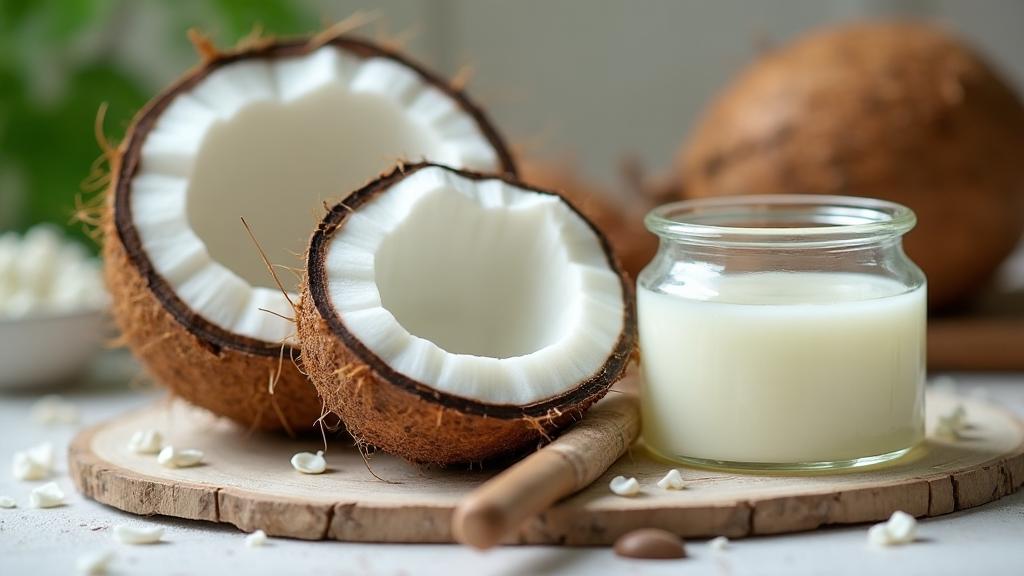
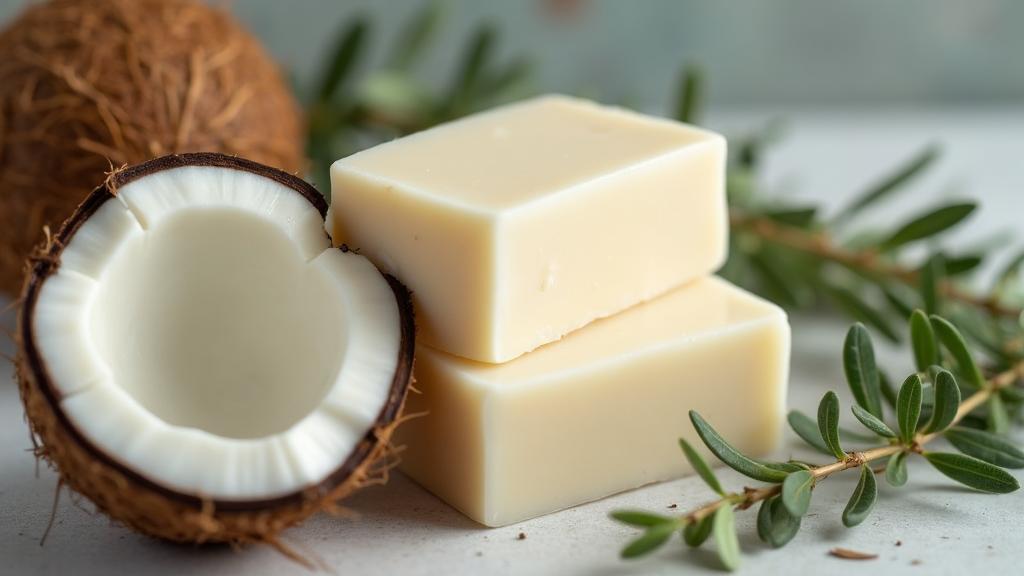
Coconut oil brings everything that olive oil lacks. Where olive creates a low, creamy lather, coconut generates abundant, fluffy bubbles. Where olive produces a soft bar that takes months to fully harden, coconut contributes to a firm bar ready to use in weeks. The two oils complement each other perfectly, creating something greater than either achieves alone.
The recipe I'm sharing uses a 50/50 split between olive and coconut oils. This ratio isn't arbitrary—it represents years of collective soapmaking wisdom. Fifty percent coconut provides substantial lather without the drying effect that higher percentages can cause. Fifty percent olive contributes conditioning properties and ensures the bar remains gentle enough for daily use.
Cold process remains the method here, which means lye handling is still required. If you made the basic olive oil soap first, you'll find this recipe follows similar steps. The main difference you'll notice is speed—this blend reaches trace much faster than pure olive oil. Where you might wait thirty minutes for olive-only soap to trace, coconut-olive typically cooperates within five to ten minutes.
This faster trace is both blessing and curse. It means less time standing over your pot, but it also means less margin for error. Have your mold ready, your fragrance measured, your colors prepared. Once trace begins, events move quickly. The soap waits for no one, and working efficiently becomes essential.
Safety Warnings
- MANDATORY: Safety goggles and chemical-resistant gloves
- Work in well-ventilated area
- NEVER add water to lye - add lye to water only
- Keep first aid supplies nearby
- No children or pets in workspace
Tools Needed
- Full safety gear (goggles, gloves, long sleeves)
- Digital scale
- Heat-resistant containers
- Stick blender
- Thermometer
- Silicone mold
Ingredients
Step-by-Step Instructions
Safety First
Put on all safety gear. Prepare workspace with good ventilation.
Make Lye Solution
Add lye to water slowly, stir until dissolved. Set aside to cool.
Prepare Oils
Melt coconut oil if solid, combine with olive oil in large container.
Combine and Blend
When both are 100-110°F, add lye solution to oils. Stick blend to trace.
Pour and Cure
Pour into mold, insulate 24-48 hours, then unmold and cure 4-6 weeks.
🔧 Common Mistakes & Fixes
📦 Storage Tips
- Cure minimum 4 weeks
- Store in breathable container
- This recipe hardens nicely due to coconut oil
🔗 References & Further Reading
Independent sources for the chemistry and safety information on this page. We are not affiliated with any of them.
- 1.Soap Making Safety(opens in a new tab)
Handcrafted Soap and Cosmetic Guild
Workspace, storage, and handling practices specific to lye-based soap making.
- 2.Saponification(opens in a new tab)
Wikipedia
The chemical reaction behind every bar of real soap, with reaction equations and history.
- 3.Sodium Hydroxide (CID 14798)(opens in a new tab)
PubChem, National Library of Medicine
Full chemical and hazard profile for lye, including GHS classification and handling data.
- 4.Sodium Hydroxide Poisoning(opens in a new tab)
MedlinePlus, National Institutes of Health
Symptoms and emergency first-aid steps for lye exposure. Worth reading before you open the bottle.
- 5.Personal Protective Equipment — Overview(opens in a new tab)
U.S. Occupational Safety and Health Administration
What eye, hand, and skin protection actually protects against, and how to choose it.
- 6.Poison Help(opens in a new tab)
U.S. Health Resources and Services Administration
Poison control hotline and online help. Keep this reachable while you work.
- 7.Handcrafted Soap and Cosmetic Guild(opens in a new tab)
HSCG
Industry association for handcrafted soap makers, with labeling and regulatory guidance.
- 8.Safer Chemical Ingredients List(opens in a new tab)
U.S. Environmental Protection Agency
EPA-reviewed ingredients grouped by function, useful when substituting additives.