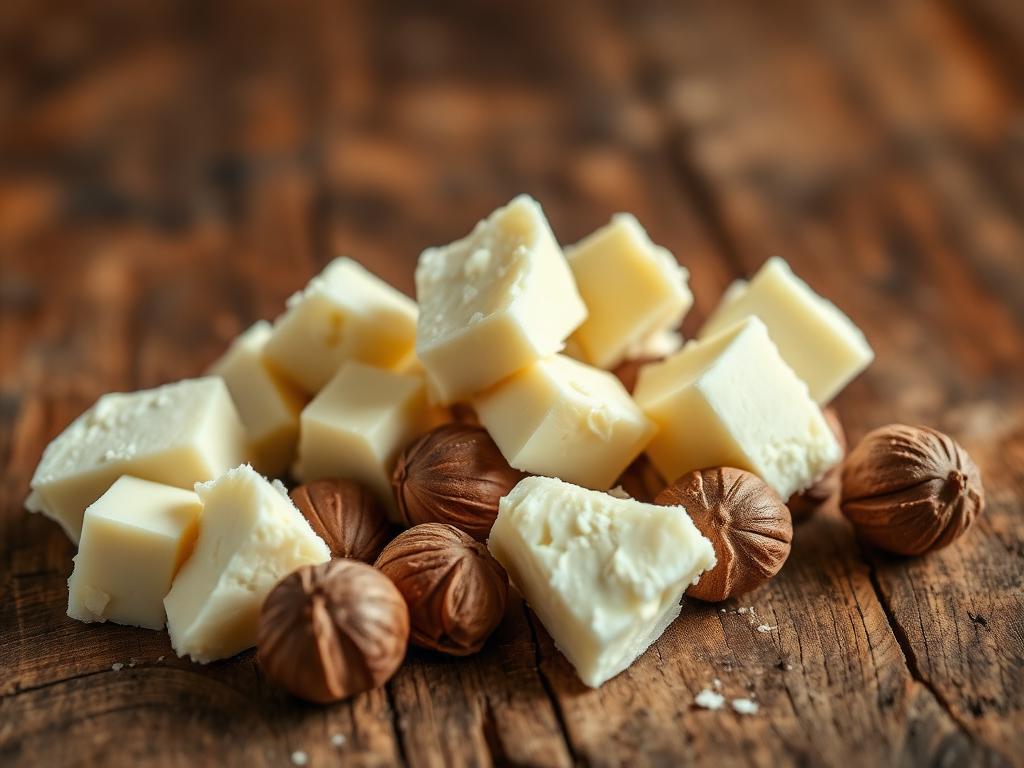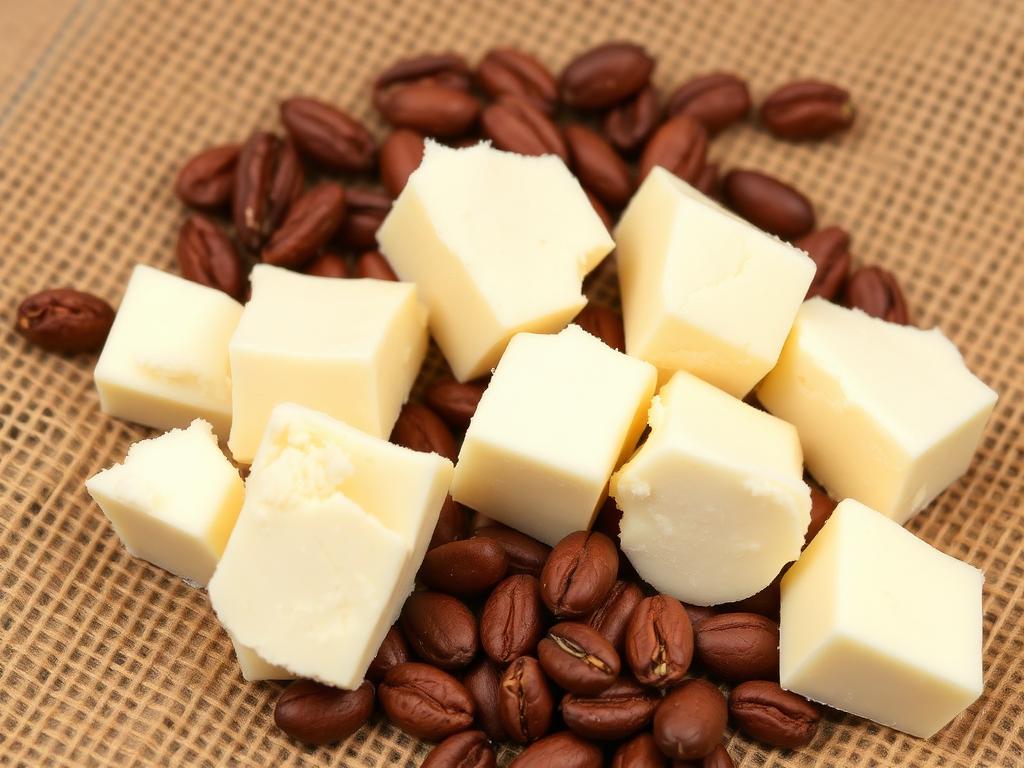
Close your eyes, take a deep breath of raw cocoa butter, and you're transported. To a chocolate shop in Belgium, perhaps, or a bakery just beginning its morning work. That rich, warm, unmistakably chocolate aroma makes cocoa butter one of the most sensuously appealing ingredients in natural skincare. It also makes it one of the most challenging.
The chocolate scent comes from the same source as chocolate itself—the cacao bean. Cocoa butter is the fat extracted from these beans during chocolate manufacturing. What remains after cocoa butter extraction becomes cocoa powder. The two share aromatic compounds, which explains why raw cocoa butter smells so deliciously chocolatey.
For some products, this chocolate scent is a feature. Lip balms, body butters, and other products can embrace the natural fragrance, creating indulgent treats that smell good enough to eat. But when you want lavender-scented soap or a floral lotion, that chocolate note complicates matters. It fights with other fragrances, creating unexpected and often unpleasant combinations.
Deodorized cocoa butter solves the scent problem. This refined version has been processed to remove the aromatic compounds, leaving a butter that smells essentially neutral. You lose the chocolate experience but gain a versatile butter that plays well with any fragrance you choose. Many soapmakers keep both versions on hand—unrefined for chocolate-themed products, deodorized for everything else.
In terms of behavior, cocoa butter is hard and brittle at room temperature—much harder than shea butter. This firmness makes it excellent for adding structure to formulations. Lip balms gain durability. Body butters maintain their shape in warm bathrooms. Soap bars cure harder and last longer. The trade-off is that pure cocoa butter feels waxy and requires warming to spread smoothly.
Safety Warnings
- May cause breakouts in acne-prone individuals - patch test first
- Some people are sensitive to chocolate/cocoa products
- Unrefined cocoa butter has strong chocolate scent
- Very hard - requires warming to use
Tools Needed
- Kitchen scale
- Double boiler or microwave
- Heat-resistant containers
- Thermometer (optional but helpful)
Ingredients
Step-by-Step Instructions
Choosing Your Butter
Use unrefined for chocolate-themed products, deodorized when you need neutral scent.
Melting Cocoa Butter
Melt point is around 93-100°F. Use double boiler or low microwave power.
Usage in Soap
Use at 5-15% of oils. Adds hardness and some conditioning. Higher amounts may limit lather.
Usage in Body Butters
Blend with softer butters and liquid oils. Pure cocoa butter is too hard for easy application.
🔧 Common Mistakes & Fixes
📦 Storage Tips
- Store in cool, dry place
- Shelf life 2-5 years
- Keep away from heat sources
🔗 References & Further Reading
Independent sources for the chemistry and safety information on this page. We are not affiliated with any of them.
- 1.Lauric Acid (CID 3893)(opens in a new tab)
PubChem, National Library of Medicine
The fatty acid that drives coconut oil’s hardness and cleansing power in a recipe.
- 2.Saponification(opens in a new tab)
Wikipedia
The chemical reaction behind every bar of real soap, with reaction equations and history.
- 3.Sodium Hydroxide (CID 14798)(opens in a new tab)
PubChem, National Library of Medicine
Full chemical and hazard profile for lye, including GHS classification and handling data.
- 4.Sodium Hydroxide Poisoning(opens in a new tab)
MedlinePlus, National Institutes of Health
Symptoms and emergency first-aid steps for lye exposure. Worth reading before you open the bottle.
- 5.Personal Protective Equipment — Overview(opens in a new tab)
U.S. Occupational Safety and Health Administration
What eye, hand, and skin protection actually protects against, and how to choose it.
- 6.Poison Help(opens in a new tab)
U.S. Health Resources and Services Administration
Poison control hotline and online help. Keep this reachable while you work.
- 7.Handcrafted Soap and Cosmetic Guild(opens in a new tab)
HSCG
Industry association for handcrafted soap makers, with labeling and regulatory guidance.
- 8.Safer Chemical Ingredients List(opens in a new tab)
U.S. Environmental Protection Agency
EPA-reviewed ingredients grouped by function, useful when substituting additives.