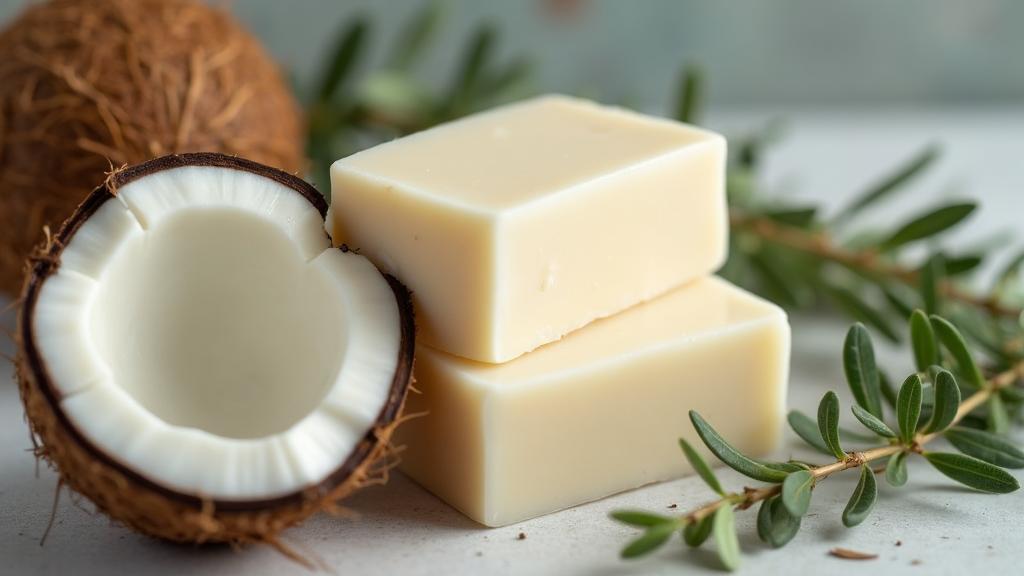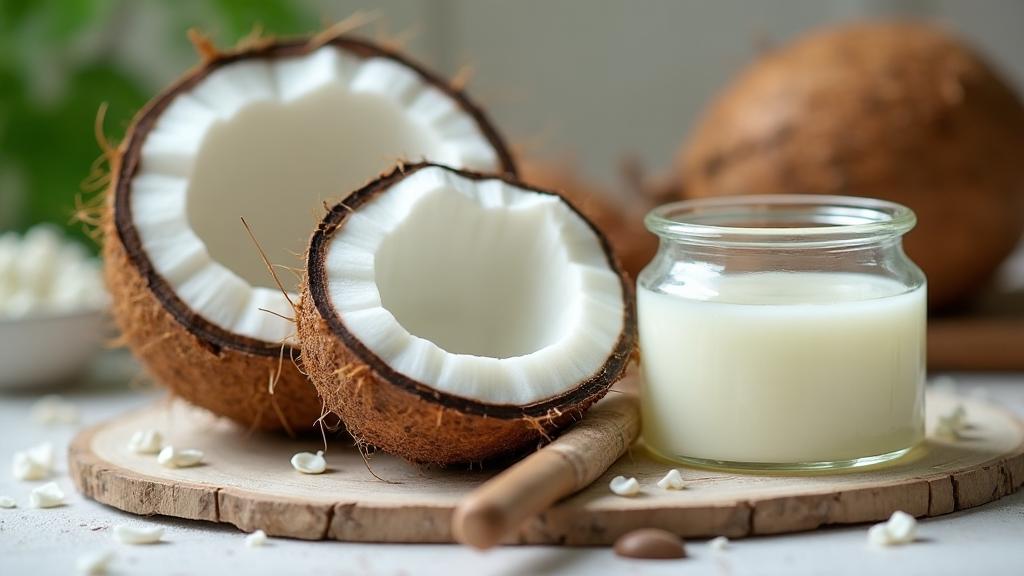
Walk into any soap supply store and you'll find coconut oil prominently displayed, often in sizes ranging from small bottles to five-gallon buckets. There's a reason for its ubiquity: coconut oil might be the single most useful ingredient in handmade soap, contributing properties that few other oils can match.
I discovered coconut oil's importance through trial and error. My early recipes, heavy on olive oil and light on coconut, produced bars that were gentle but disappointing in the shower. The lather was thin, almost nonexistent—more of a slick coating than actual bubbles. When I increased coconut oil to thirty percent of my recipe, everything changed. Suddenly I had real lather, the kind of fluffy, satisfying bubbles that make washing feel luxurious.
Understanding coconut oil requires knowing that not all coconut oils are created equal. Virgin coconut oil, cold-pressed and unrefined, carries that distinctive coconut scent many people love. RBD coconut oil—refined, bleached, and deodorized—provides the same soap-making properties without any fragrance, making it ideal for recipes where you want other scents to shine. Fractionated coconut oil, stripped of its long-chain fatty acids, stays liquid at room temperature and finds its place in liquid soaps and cosmetics rather than bar soap.
The saponification value of coconut oil sits higher than most common oils, meaning it requires more lye to convert to soap. This isn't a concern when using a proper lye calculator—and you should always, always use a lye calculator—but it explains why swapping coconut for another oil in an existing recipe demands recalculation rather than simple substitution.
Balance matters tremendously with coconut oil. Used at high percentages, it produces bars that strip natural oils from skin, leaving some users feeling dry and tight after washing. Most soapmakers recommend keeping coconut oil at thirty percent or less of the total oils, balancing its cleansing power with gentler oils like olive, sweet almond, or avocado.
Safety Warnings
- Coconut allergy: some people are sensitive to coconut products
- High coconut oil percentages may be drying - limit to 20-30% in most recipes
- Always run recipes through a lye calculator when substituting oils
Tools Needed
- Kitchen scale for accurate measurement
- Lye calculator (online tool)
- Standard soap making equipment
Ingredients
Step-by-Step Instructions
Types of Coconut Oil
Virgin (unrefined) has coconut scent. RBD is neutral and most common for soap. Fractionated is liquid and not ideal for bar soap (better for liquid products).
Recommended Percentages
For most recipes, use 20-30% coconut oil. Higher percentages (up to 100%) are possible but result in very cleansing bars.
SAP Value
Coconut oil SAP value: 0.190 (NaOH) / 0.268 (KOH). Always verify with a lye calculator for your specific recipe.
Substitutions
Palm kernel oil or babassu oil have similar properties. Adjust lye amounts when substituting.
🔧 Common Mistakes & Fixes
📦 Storage Tips
- Store in cool, dark place
- Solid coconut oil has long shelf life (2+ years)
- Refrigerate in hot climates to prevent rancidity
🔗 References & Further Reading
Independent sources for the chemistry and safety information on this page. We are not affiliated with any of them.
- 1.Lauric Acid (CID 3893)(opens in a new tab)
PubChem, National Library of Medicine
The fatty acid that drives coconut oil’s hardness and cleansing power in a recipe.
- 2.Saponification(opens in a new tab)
Wikipedia
The chemical reaction behind every bar of real soap, with reaction equations and history.
- 3.Sodium Hydroxide (CID 14798)(opens in a new tab)
PubChem, National Library of Medicine
Full chemical and hazard profile for lye, including GHS classification and handling data.
- 4.Sodium Hydroxide Poisoning(opens in a new tab)
MedlinePlus, National Institutes of Health
Symptoms and emergency first-aid steps for lye exposure. Worth reading before you open the bottle.
- 5.Personal Protective Equipment — Overview(opens in a new tab)
U.S. Occupational Safety and Health Administration
What eye, hand, and skin protection actually protects against, and how to choose it.
- 6.Poison Help(opens in a new tab)
U.S. Health Resources and Services Administration
Poison control hotline and online help. Keep this reachable while you work.
- 7.Handcrafted Soap and Cosmetic Guild(opens in a new tab)
HSCG
Industry association for handcrafted soap makers, with labeling and regulatory guidance.
- 8.Safer Chemical Ingredients List(opens in a new tab)
U.S. Environmental Protection Agency
EPA-reviewed ingredients grouped by function, useful when substituting additives.