Essential oils occupy a peculiar position in the natural products world. They're simultaneously celebrated as nature's medicine chest and cautioned against as potentially hazardous concentrates. Both perspectives contain truth. Essential oils are powerful, which makes them useful and also demands respect.
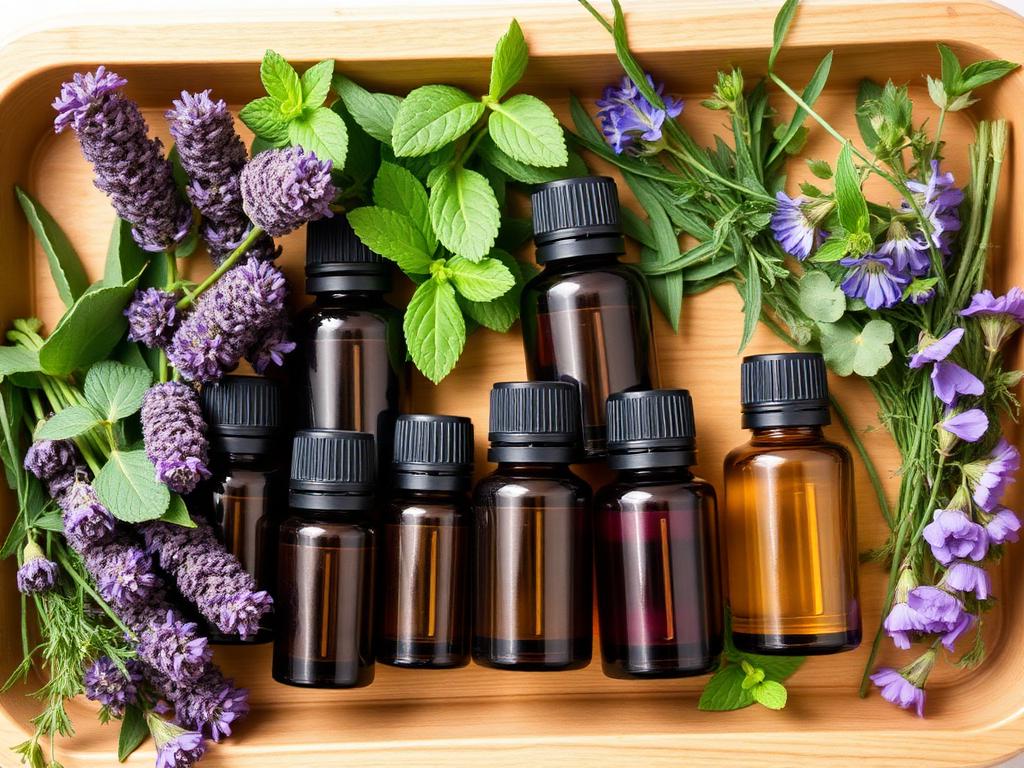
The term "essential" doesn't mean necessary or vital—it refers to the essence or characteristic fragrance of a plant. These oils are extracted through steam distillation, cold pressing, or other methods that concentrate the aromatic compounds of plants into potent liquids. What might have taken pounds of plant material to produce now fits in a small amber bottle.
This concentration explains both the appeal and the danger. A drop of lavender essential oil contains the fragrant compounds of many lavender flowers. That concentration makes essential oils intensely aromatic and effective in tiny quantities. It also means they can cause skin irritation, allergic reactions, or toxicity if used improperly.
For soap making and skincare, essential oils serve primarily as fragrance and occasionally for their traditional associations with certain benefits. Lavender has long been connected with calm and healing. Tea tree enjoys a reputation for cleansing. Peppermint provides an invigorating sensation. While scientific evidence for many traditional claims remains limited, the sensory experience these oils provide is undeniable.
Blending essential oils combines art and science. Perfumers speak of top notes (the scents you smell first, which evaporate quickly), middle notes (the heart of a blend, which emerge after top notes fade), and base notes (deep, lasting scents that anchor a blend). Learning to compose with these notes takes practice but rewards you with unique, personal fragrance creations.
Safety Warnings
- Never apply undiluted essential oils directly to skin
- Always perform patch test before widespread use
- Keep away from eyes, ears, and mucous membranes
- Some oils are phototoxic - avoid sun after use
- Pregnant women should consult healthcare provider before use
- Keep out of reach of children and pets
Tools Needed
- Amber or dark glass storage bottles
- Pipettes or droppers
- Carrier oils for dilution
- Testing strips for blending
Ingredients
Step-by-Step Instructions
Understanding Dilution
For leave-on products: 1-2% dilution (6-12 drops per ounce of carrier). For rinse-off products: up to 3-5%.
Creating Blends
Start with base notes (30%), add middle notes (50%), finish with top notes (20%).
Popular Beginner Blends
Relaxing: lavender + cedarwood. Energizing: peppermint + rosemary. Fresh: lemon + eucalyptus.
Storage
Store in dark glass bottles away from heat and light. Most oils last 1-3 years properly stored.
🔧 Common Mistakes & Fixes
📦 Storage Tips
- Store in dark glass bottles
- Keep in cool, dark place
- Replace after 1-3 years depending on oil type
🔗 References & Further Reading
Independent sources for the chemistry and safety information on this page. We are not affiliated with any of them.
- 1.Lauric Acid (CID 3893)(opens in a new tab)
PubChem, National Library of Medicine
The fatty acid that drives coconut oil’s hardness and cleansing power in a recipe.
- 2.Saponification(opens in a new tab)
Wikipedia
The chemical reaction behind every bar of real soap, with reaction equations and history.
- 3.Sodium Hydroxide (CID 14798)(opens in a new tab)
PubChem, National Library of Medicine
Full chemical and hazard profile for lye, including GHS classification and handling data.
- 4.Sodium Hydroxide Poisoning(opens in a new tab)
MedlinePlus, National Institutes of Health
Symptoms and emergency first-aid steps for lye exposure. Worth reading before you open the bottle.
- 5.Personal Protective Equipment — Overview(opens in a new tab)
U.S. Occupational Safety and Health Administration
What eye, hand, and skin protection actually protects against, and how to choose it.
- 6.Poison Help(opens in a new tab)
U.S. Health Resources and Services Administration
Poison control hotline and online help. Keep this reachable while you work.
- 7.Handcrafted Soap and Cosmetic Guild(opens in a new tab)
HSCG
Industry association for handcrafted soap makers, with labeling and regulatory guidance.
- 8.Safer Chemical Ingredients List(opens in a new tab)
U.S. Environmental Protection Agency
EPA-reviewed ingredients grouped by function, useful when substituting additives.