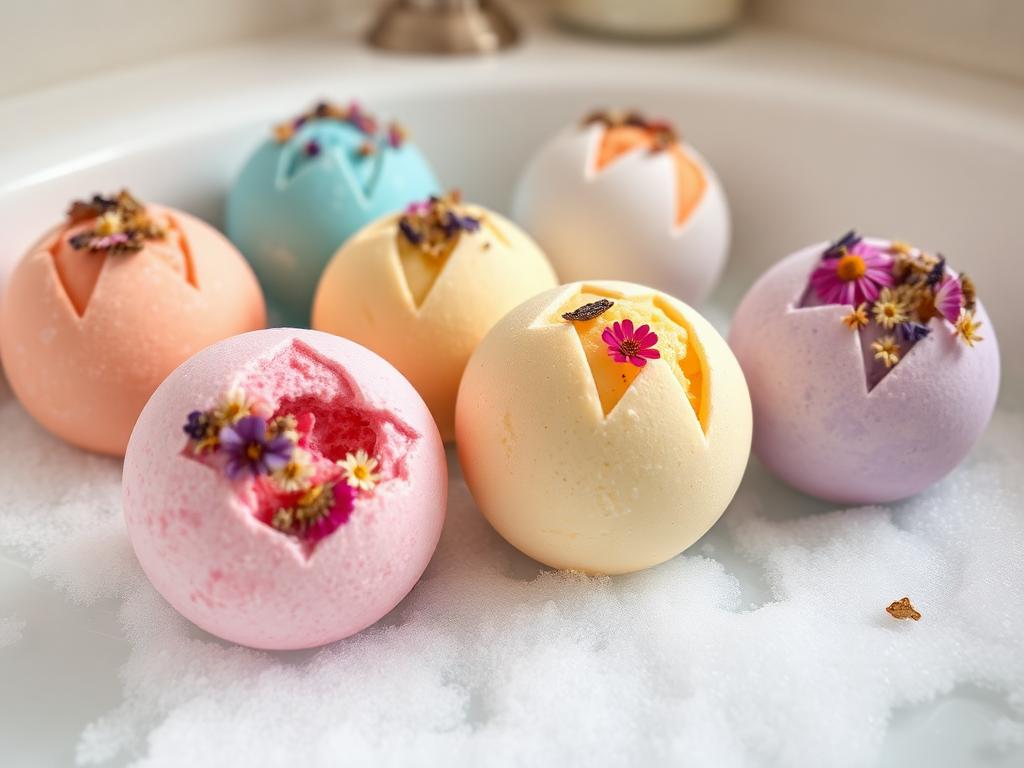
The first bath bomb I ever made fizzed for approximately three seconds before dissolving into sad gray sludge. I'd followed a recipe exactly—or so I thought—but missed a crucial detail: humidity matters enormously. My attempt happened during a rainy week in a poorly ventilated bathroom. The citric acid absorbed moisture from the air and activated prematurely, right there in the mixing bowl.
Bath bombs seem simple on paper. Mix dry ingredients, add wet ingredients, pack into molds, let dry. The chemistry is straightforward: baking soda (sodium bicarbonate) plus citric acid create carbon dioxide when they encounter water, producing those satisfying fizzy bubbles. Yet between that simple theory and actual fizzing bath bombs lies a narrow path flanked by soggy failures and crumbly disasters.
Humidity is the primary enemy. Work on a dry day if possible, or at least in an air-conditioned room. Keep your citric acid sealed until the moment you need it. Mix quickly and confidently—the longer your bath bomb mixture sits around absorbing moisture, the more likely it is to activate early. Speed and dry conditions separate successful bath bomb makers from frustrated ones.
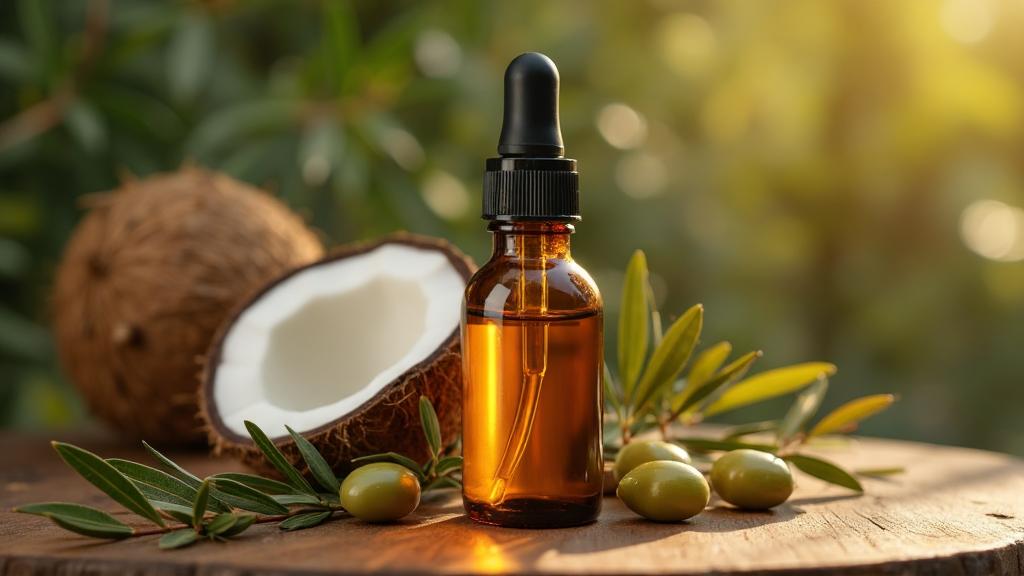
The binding question also trips up beginners. You need something to hold the dry ingredients together, but too much liquid activates the fizz. Melted coconut oil, witch hazel, or rubbing alcohol serve as binding agents, added gradually while mixing until the texture resembles damp sand that holds together when squeezed. This is an art, not a science—you learn the right texture through experience.
Once you've mastered the basic technique, the creative possibilities expand dramatically. Colors, scents, embedded surprises, layered designs—bath bombs accommodate nearly any aesthetic vision you might have. They also make fantastic gifts, especially for the bathtub enthusiasts in your life.
Safety Warnings
- Citric acid can irritate eyes - wear goggles when mixing
- Keep dry - moisture activates the fizz prematurely
- Some people may react to certain dyes or fragrances
- Oils can make tub slippery - use caution
Tools Needed
- Large mixing bowl
- Whisk or mixing spoon
- Bath bomb molds (silicone or plastic)
- Spray bottle with witch hazel
- Gloves (to prevent dyes staining hands)
Ingredients
Step-by-Step Instructions
Combine Dry Ingredients
Whisk baking soda and citric acid together in a large bowl. Break up any clumps.
Add Color and Scent
Add mica powder or coloring. Add melted coconut oil and essential oils. Mix thoroughly.
Add Witch Hazel Gradually
Spray witch hazel into mixture, mixing constantly. Stop when mixture holds together when squeezed.
Pack Molds
Press mixture firmly into molds. Overfill slightly and press halves together hard.
Dry Completely
Wait 30 minutes, then carefully remove from molds. Let dry 24 hours before using.
🔧 Common Mistakes & Fixes
📦 Storage Tips
- Store in airtight container in dry place
- Keep away from humidity
- Use within 6 months for best fizz
🔗 References & Further Reading
Independent sources for the chemistry and safety information on this page. We are not affiliated with any of them.
- 1.Essential Oil(opens in a new tab)
Wikipedia
Extraction methods, composition, and documented sensitization risks of essential oils.
- 2.Saponification(opens in a new tab)
Wikipedia
The chemical reaction behind every bar of real soap, with reaction equations and history.
- 3.Sodium Hydroxide (CID 14798)(opens in a new tab)
PubChem, National Library of Medicine
Full chemical and hazard profile for lye, including GHS classification and handling data.
- 4.Sodium Hydroxide Poisoning(opens in a new tab)
MedlinePlus, National Institutes of Health
Symptoms and emergency first-aid steps for lye exposure. Worth reading before you open the bottle.
- 5.Personal Protective Equipment — Overview(opens in a new tab)
U.S. Occupational Safety and Health Administration
What eye, hand, and skin protection actually protects against, and how to choose it.
- 6.Poison Help(opens in a new tab)
U.S. Health Resources and Services Administration
Poison control hotline and online help. Keep this reachable while you work.
- 7.Handcrafted Soap and Cosmetic Guild(opens in a new tab)
HSCG
Industry association for handcrafted soap makers, with labeling and regulatory guidance.
- 8.Safer Chemical Ingredients List(opens in a new tab)
U.S. Environmental Protection Agency
EPA-reviewed ingredients grouped by function, useful when substituting additives.