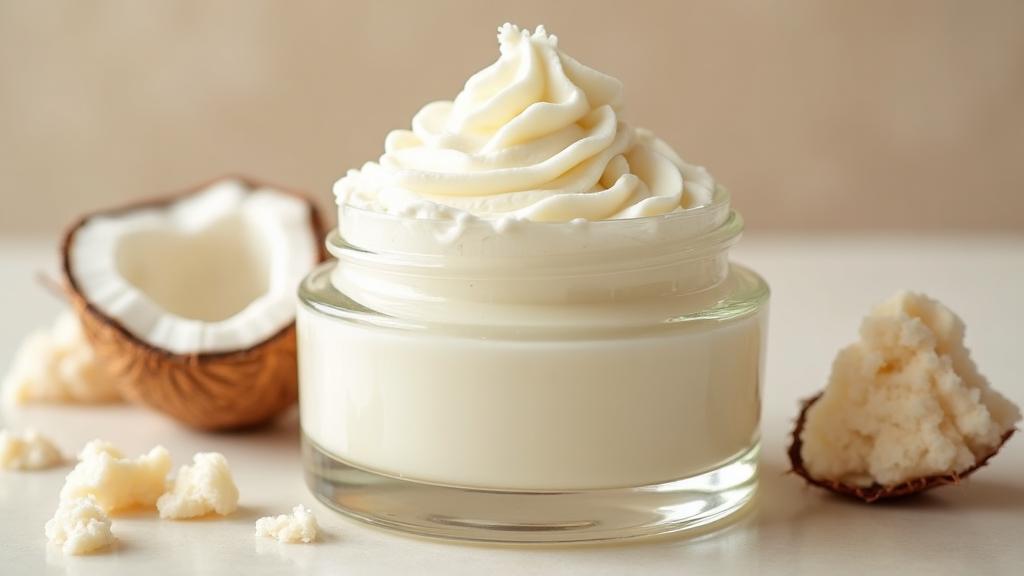
The first time I whipped body butter, I didn't believe it would work. I'd assembled my ingredients on the kitchen counter—a chunk of shea butter the color of pale butter, a jar of coconut oil, a bottle of olive oil—and stared at them skeptically. How could these solid fats transform into something light and fluffy, something that resembled frosting more than cooking grease?
Ten minutes of whipping later, I understood. The transformation is almost magical. Heavy, dense butters become airy and cloud-like, expanding in volume as the mixer incorporates air into their structure. The resulting texture spreads easily across skin, absorbing quickly without leaving behind that heavy, greasy feeling that straight butters often produce.
This three-ingredient recipe represents body butter in its purest form. Shea butter provides the base—rich in fatty acids and compounds that skin seems to love. Coconut oil adds a lighter texture and helps the mixture whip to proper consistency. A small amount of olive oil contributes fluidity, preventing the finished product from being too stiff to scoop from the jar.
What I appreciate most about this formula is its honesty. No synthetic additives, no complicated emulsifiers, no ingredients that require a chemistry degree to pronounce. Just three oils that humans have used for thousands of years, combined in proportions that work beautifully together. Your great-great-grandmother could have made this same recipe if she'd owned a hand mixer.
The absence of preservatives does limit this product's lifespan and distribution. Without antimicrobials, body butter made with these ingredients is best used within a few months and kept strictly for personal use. Commercial products require preservatives for safety—but for home use, keeping water out and storing properly makes preservation chemicals unnecessary.
Safety Warnings
- This product contains NO preservatives - for personal use only
- Do not introduce water into the product to prevent microbial growth
- Keep container tightly sealed
- Discard if any unusual smell or appearance develops
- Patch test before widespread use
Tools Needed
- Hand mixer or stand mixer
- Mixing bowl
- Spatula
- Storage container (airtight)
- Kitchen scale
Ingredients
Step-by-Step Instructions
Soften the Butters
Leave shea butter and coconut oil at room temperature until soft but not melted (about 70-75°F).
Combine Ingredients
Add softened shea butter, coconut oil, and olive oil to a mixing bowl.
Whip Until Fluffy
Using a hand mixer, whip on high speed for 5-10 minutes until light and fluffy like frosting.
Transfer to Container
Scoop the whipped butter into an airtight container. Store in a cool place.
🔧 Common Mistakes & Fixes
📦 Storage Tips
- Store in cool, dry place away from bathroom humidity
- Use within 3-6 months
- Keep water out to prevent spoilage
- Use clean, dry hands or spatula to scoop
🔗 References & Further Reading
Independent sources for the chemistry and safety information on this page. We are not affiliated with any of them.
- 1.Essential Oil(opens in a new tab)
Wikipedia
Extraction methods, composition, and documented sensitization risks of essential oils.
- 2.Saponification(opens in a new tab)
Wikipedia
The chemical reaction behind every bar of real soap, with reaction equations and history.
- 3.Sodium Hydroxide (CID 14798)(opens in a new tab)
PubChem, National Library of Medicine
Full chemical and hazard profile for lye, including GHS classification and handling data.
- 4.Sodium Hydroxide Poisoning(opens in a new tab)
MedlinePlus, National Institutes of Health
Symptoms and emergency first-aid steps for lye exposure. Worth reading before you open the bottle.
- 5.Personal Protective Equipment — Overview(opens in a new tab)
U.S. Occupational Safety and Health Administration
What eye, hand, and skin protection actually protects against, and how to choose it.
- 6.Poison Help(opens in a new tab)
U.S. Health Resources and Services Administration
Poison control hotline and online help. Keep this reachable while you work.
- 7.Handcrafted Soap and Cosmetic Guild(opens in a new tab)
HSCG
Industry association for handcrafted soap makers, with labeling and regulatory guidance.
- 8.Safer Chemical Ingredients List(opens in a new tab)
U.S. Environmental Protection Agency
EPA-reviewed ingredients grouped by function, useful when substituting additives.