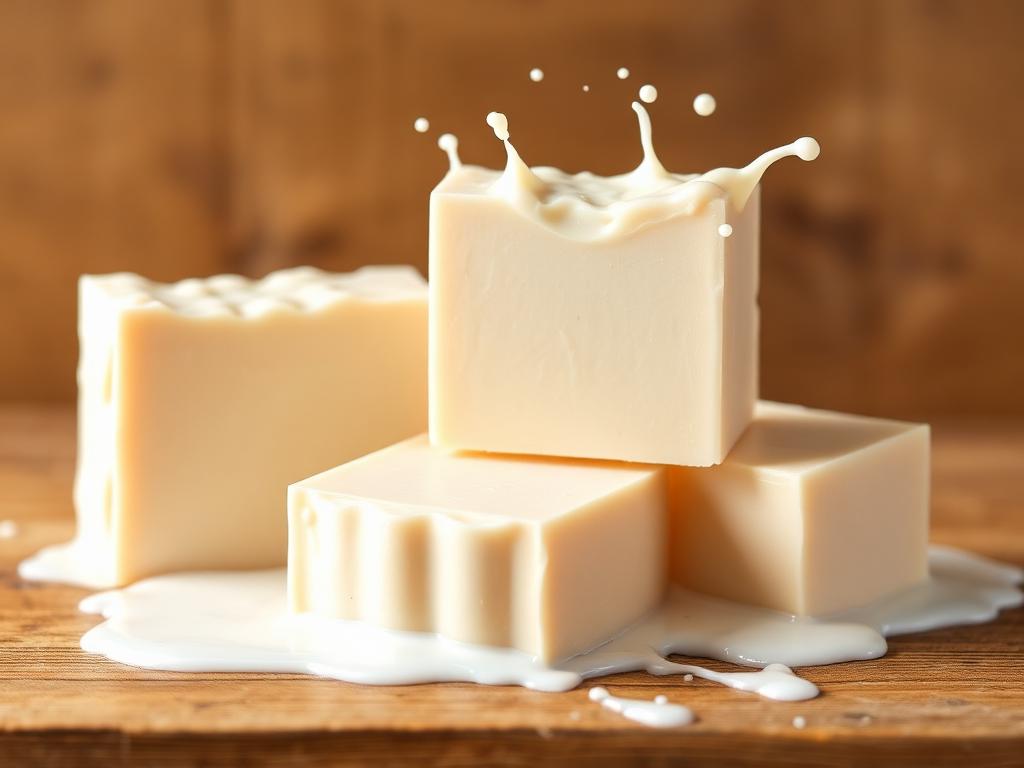
There's something undeniably luxurious about goat milk products. Perhaps it's the association with artisanal farmsteads, hand-milking at dawn, and the kind of slow, intentional living most of us only dream about. Or perhaps it's simply the creamy, rich texture that sets goat milk apart from its bovine counterpart. Whatever the reason, goat milk soap carries a certain mystique that elevates it above ordinary bars.
My introduction to goat milk soap came from a farmers market vendor who raised Nigerian Dwarf goats on her small acreage. Her soap felt different—silkier, somehow more substantial—than anything I'd made with standard bases. When I asked her secret, she smiled and said it was all about the milk. The natural fats and proteins in goat milk create a bar with exceptional lather and a creamy feel that water-based soaps struggle to match.
Using a goat milk melt and pour base captures most of these benefits without the complexity of making soap from scratch with fresh milk. The base arrives already saponified, with goat milk incorporated at optimal levels. You simply melt, customize, and pour—all the elegance with none of the advanced chemistry.
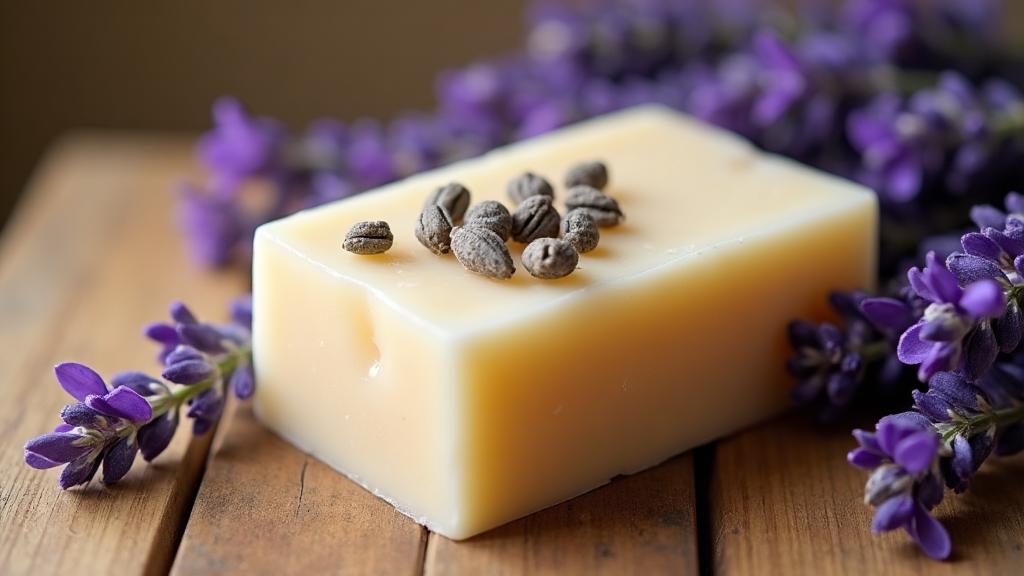
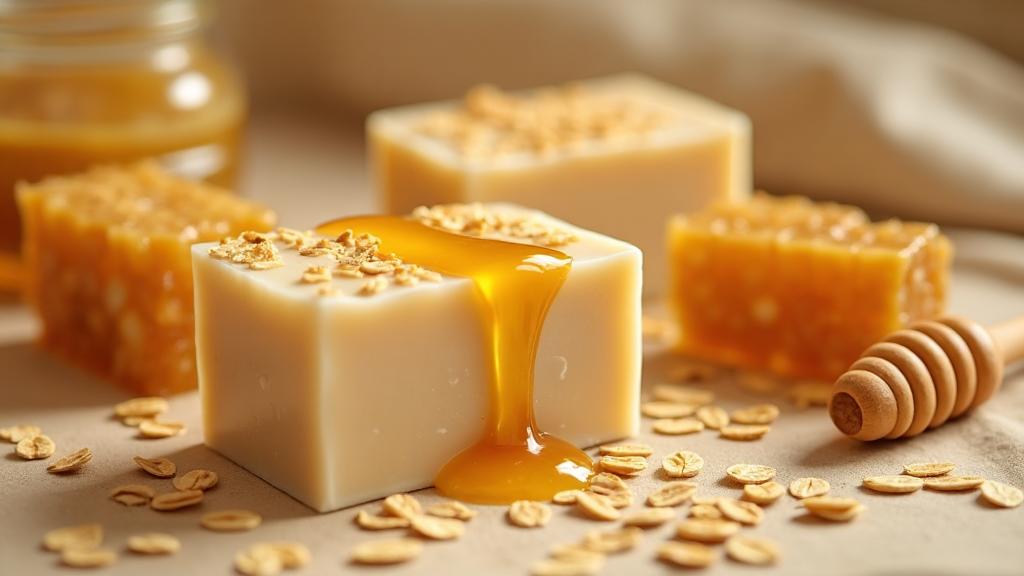
The natural color of goat milk base tends toward ivory or pale cream, lending itself beautifully to classic, understated designs. I often add just a touch of honey and dried lavender buds for a farmhouse aesthetic that looks as good as it feels. The vanilla fragrance I use complements the creamy base without overpowering it—a warm, comforting scent that appeals to nearly everyone.
These bars make exceptional gifts precisely because of their perceived luxury. Wrap one in muslin tied with twine, add a sprig of dried lavender, and you have a present that looks professionally made. The recipient will never guess it took you twenty minutes and cost a fraction of boutique soap prices.
Safety Warnings
- Goat milk base can scorch easily - use low heat
- Do not overheat or milk proteins may burn
- Keep vanilla fragrance away from light colors until ready to add
- Some people may have dairy sensitivities
Tools Needed
- Double boiler or microwave-safe container
- Silicone mold (preferably decorative)
- Mixing spoon
- Kitchen scale
Ingredients
Step-by-Step Instructions
Gently Melt
Cut base into cubes. Melt using 20-second microwave intervals or double boiler on low.
Add Fragrance
Let cool to 135°F, then add vanilla fragrance and stir gently.
Pour and Decorate
Pour into mold, immediately sprinkle lavender buds on top.
Unmold
Wait 3-4 hours until completely solid, then unmold.
🔧 Common Mistakes & Fixes
📦 Storage Tips
- Wrap to prevent moisture loss
- Store in cool, dry place
- Use within 1 year
🔗 References & Further Reading
Independent sources for the chemistry and safety information on this page. We are not affiliated with any of them.
- 1.Glycerol (CID 753)(opens in a new tab)
PubChem, National Library of Medicine
Properties of glycerin, the humectant that makes melt & pour bases sweat in humid air.
- 2.Saponification(opens in a new tab)
Wikipedia
The chemical reaction behind every bar of real soap, with reaction equations and history.
- 3.Sodium Hydroxide (CID 14798)(opens in a new tab)
PubChem, National Library of Medicine
Full chemical and hazard profile for lye, including GHS classification and handling data.
- 4.Sodium Hydroxide Poisoning(opens in a new tab)
MedlinePlus, National Institutes of Health
Symptoms and emergency first-aid steps for lye exposure. Worth reading before you open the bottle.
- 5.Personal Protective Equipment — Overview(opens in a new tab)
U.S. Occupational Safety and Health Administration
What eye, hand, and skin protection actually protects against, and how to choose it.
- 6.Poison Help(opens in a new tab)
U.S. Health Resources and Services Administration
Poison control hotline and online help. Keep this reachable while you work.
- 7.Handcrafted Soap and Cosmetic Guild(opens in a new tab)
HSCG
Industry association for handcrafted soap makers, with labeling and regulatory guidance.
- 8.Safer Chemical Ingredients List(opens in a new tab)
U.S. Environmental Protection Agency
EPA-reviewed ingredients grouped by function, useful when substituting additives.