Making my own body lotion started as an attempt to avoid the unpronounceable ingredients in commercial products. What I discovered was a craft more satisfying than I expected—the alchemy of combining water and oil into a stable, silky cream.
The first time you successfully make lotion feels like performing magic. Water and oil, natural enemies, suddenly embrace and become something new. It happens in the blender, the mixture transforming from separated liquids into thick, luscious cream. I always pause at this moment, marveling that it works.
Emulsifying wax is the secret to the magic. This ingredient, derived from plant sources, contains molecules that love both water and oil. They position themselves at the boundary between the two, creating a stable bridge that holds the emulsion together. Without it, your lovely lotion would separate back into its component parts.
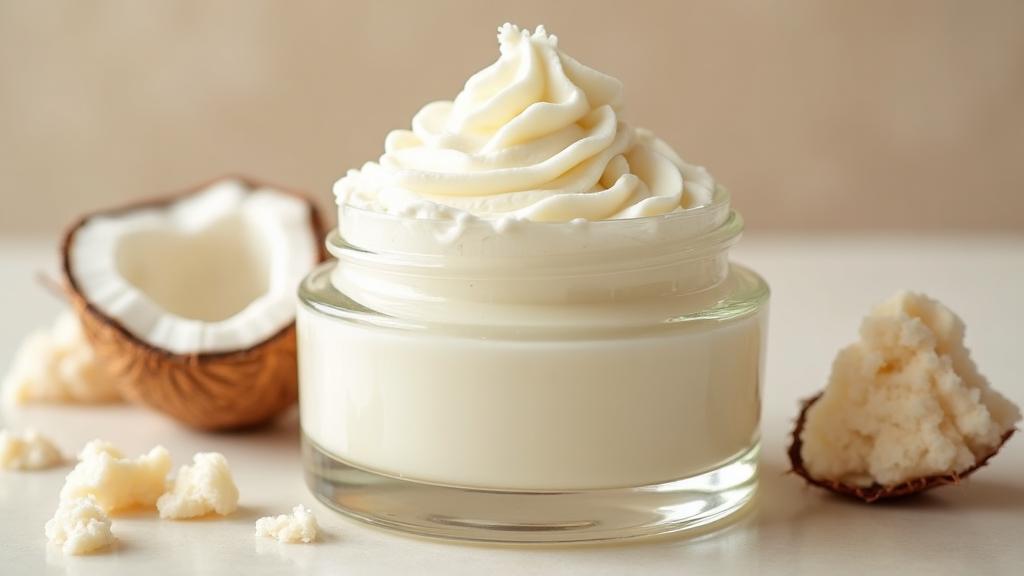
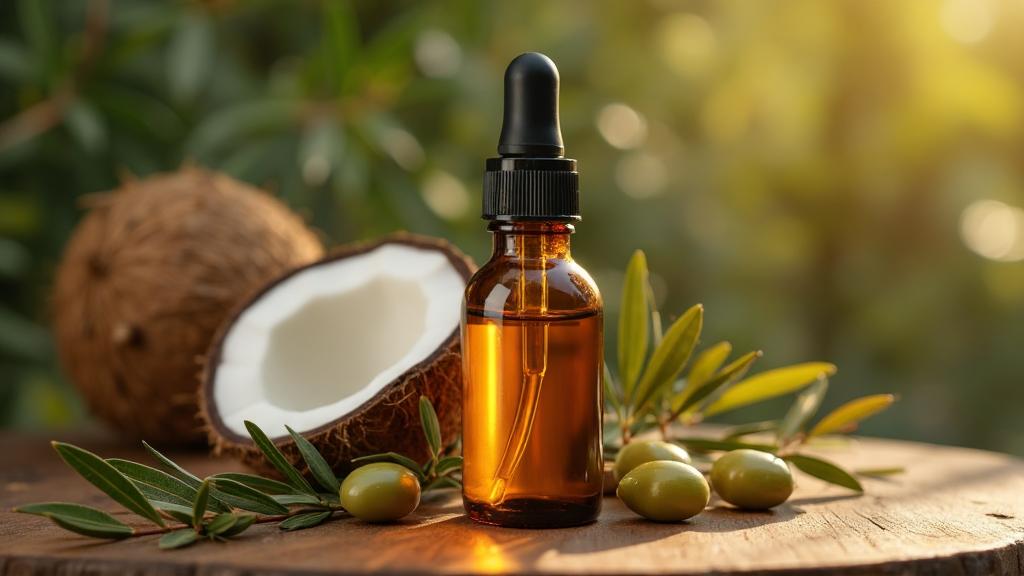
The texture of homemade lotion is noticeably different from commercial versions. It feels more like food—which makes sense, because it essentially is. Sweet almond oil, shea butter, pure lavender: ingredients you could eat (though they don't taste great). Your skin absorbs them readily, recognizing them as natural.
Temperature control is crucial. Both the water phase and oil phase must reach approximately the same temperature before combining, or the emulsion won't form properly. I learned this after three separated batches, each one teaching me to be more patient with my thermometer.
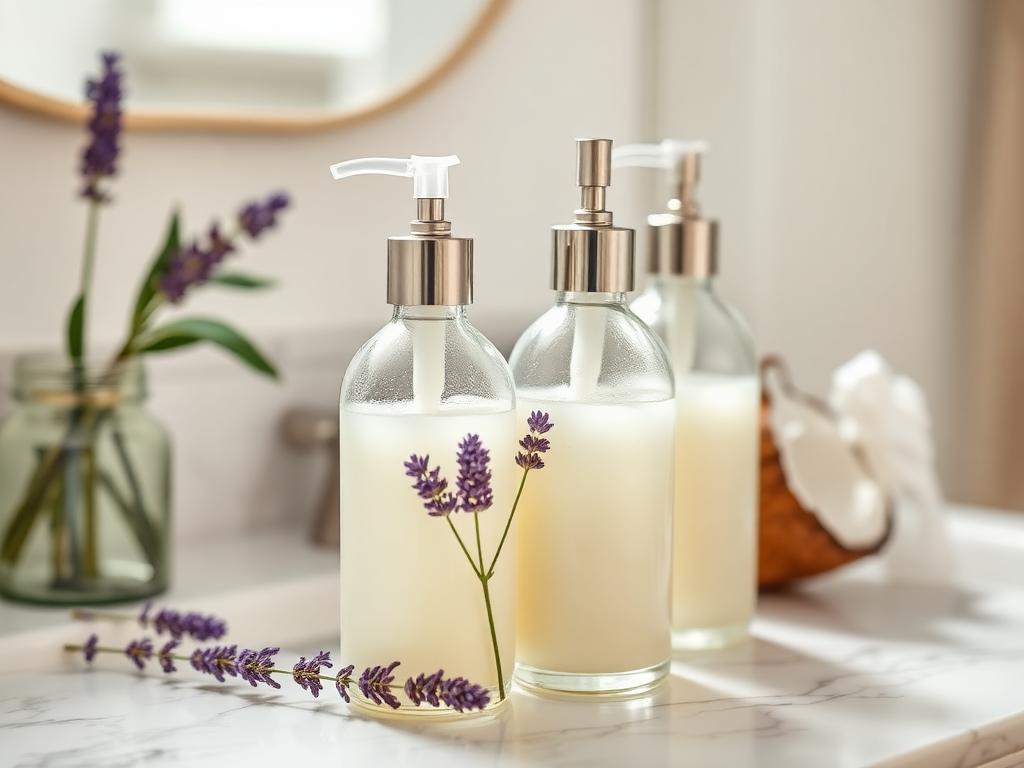
I now make lotion in large batches and pump it into glass bottles. The simple pleasure of using something I made, knowing exactly what touches my skin, has spoiled me for commercial products. Friends who receive bottles as gifts often come back asking for the recipe, beginning their own journeys into DIY skincare.
Safety Warnings
- Water-based products require preservative for safety
- Use distilled water only - tap water contains microbes
- Sanitize all equipment thoroughly
- Store in airtight containers
Tools Needed
- Double boiler or microwave
- Immersion blender or regular blender
- Digital thermometer
- Kitchen scale
- Sanitized pump bottles
- Glass measuring cups
Ingredients
Step-by-Step Instructions
Heat Water Phase
Heat distilled water to 160°F in sanitized container.
Heat Oil Phase
Melt emulsifying wax, shea butter, and almond oil together. Heat to 160°F.
Combine Phases
Pour water into oil phase while blending continuously.
Cool and Add Extras
Continue blending as mixture cools. At 100°F, add preservative and essential oil.
Bottle
Transfer to sanitized containers while still pourable.
🔧 Common Mistakes & Fixes
📦 Storage Tips
- Use within 3 months with preservative
- Store in cool, dry place
- Pump bottles keep product cleaner
🔗 References & Further Reading
Independent sources for the chemistry and safety information on this page. We are not affiliated with any of them.
- 1.Essential Oil(opens in a new tab)
Wikipedia
Extraction methods, composition, and documented sensitization risks of essential oils.
- 2.Saponification(opens in a new tab)
Wikipedia
The chemical reaction behind every bar of real soap, with reaction equations and history.
- 3.Sodium Hydroxide (CID 14798)(opens in a new tab)
PubChem, National Library of Medicine
Full chemical and hazard profile for lye, including GHS classification and handling data.
- 4.Sodium Hydroxide Poisoning(opens in a new tab)
MedlinePlus, National Institutes of Health
Symptoms and emergency first-aid steps for lye exposure. Worth reading before you open the bottle.
- 5.Personal Protective Equipment — Overview(opens in a new tab)
U.S. Occupational Safety and Health Administration
What eye, hand, and skin protection actually protects against, and how to choose it.
- 6.Poison Help(opens in a new tab)
U.S. Health Resources and Services Administration
Poison control hotline and online help. Keep this reachable while you work.
- 7.Handcrafted Soap and Cosmetic Guild(opens in a new tab)
HSCG
Industry association for handcrafted soap makers, with labeling and regulatory guidance.
- 8.Safer Chemical Ingredients List(opens in a new tab)
U.S. Environmental Protection Agency
EPA-reviewed ingredients grouped by function, useful when substituting additives.