Nail care exists in my life as a form of productive procrastination. When I should be writing, cleaning, or tackling any number of pressing tasks, I instead find myself examining my cuticles and reaching for the small bottle of oil I keep at my desk. It's work, technically—self-care is work—and it produces visible results. The perfect excuse.
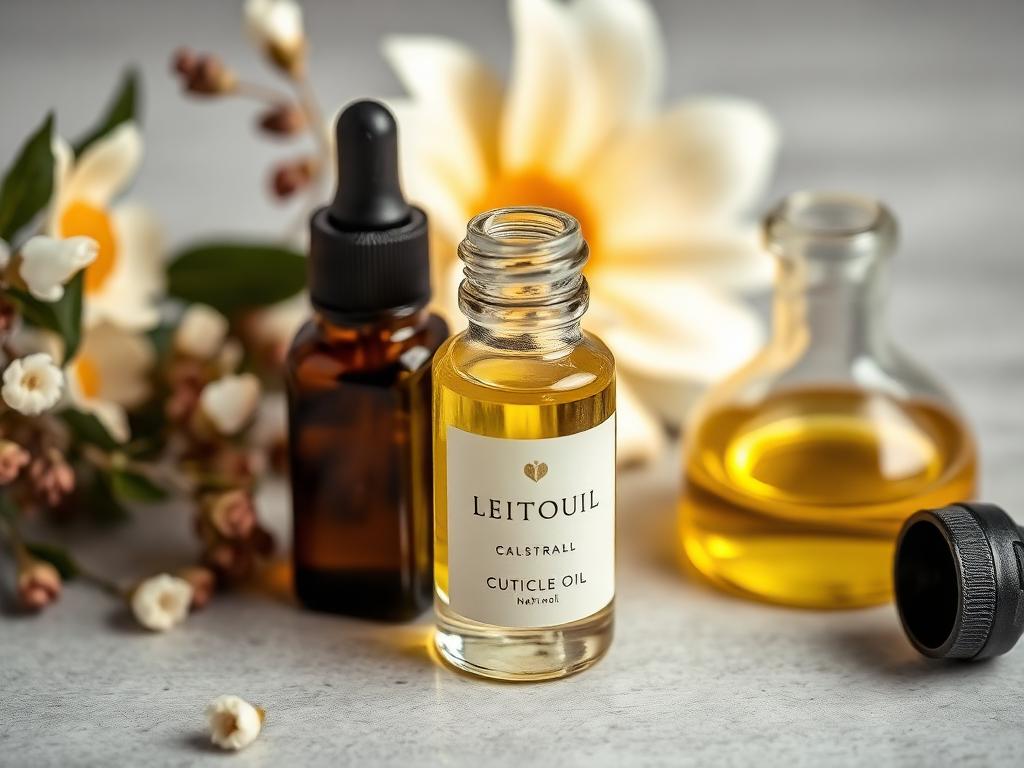
Cuticle oil represents one of the simplest formulations in the DIY skincare world. It's literally just oils combined in a small bottle. No heating, no measuring precise temperatures, no chemical reactions to worry about. Mix, bottle, use. The complexity comes entirely from choosing which oils to blend and in what proportions.
Jojoba oil forms the base of my preferred blend because it most closely resembles human sebum, the natural oil our skin produces. This similarity means jojoba absorbs readily without leaving a greasy residue. It's also extremely stable, resisting rancidity far longer than other oils. A bottle of jojoba-based cuticle oil can last a year without developing off odors.
Sweet almond oil adds richness and vitamin content, while vitamin E oil serves double duty as both a skin nutrient and natural preservative. The lavender essential oil contributes a subtle floral scent and has traditional associations with healing and calm. Together, these four ingredients create a cuticle oil that feels luxurious, works effectively, and smells lovely without overpowering.
I keep bottles everywhere: at my desk, in my purse, on my nightstand. A few drops massaged into cuticles several times daily makes a genuine difference in the health and appearance of nails. It's such a small investment of time and materials for such consistent returns. Would that all of life's improvements were this easy.
Safety Warnings
- Avoid if allergic to almonds or lavender
- Keep away from eyes
- Oils may stain fabric
- Patch test before first use
Tools Needed
- Small glass bottle with dropper or roller ball
- Small funnel
- Measuring spoons
Ingredients
Step-by-Step Instructions
Combine Oils
Add jojoba and sweet almond oils to your bottle using a funnel.
Add Vitamin E
Add vitamin E oil - if using capsules, pierce with a pin and squeeze contents in.
Add Essential Oil
Add lavender essential oil if desired. Cap and shake well.
How to Use
Apply a drop to each cuticle, massage in. Use daily or several times per week.
🔧 Common Mistakes & Fixes
📦 Storage Tips
- Store in dark glass bottle to preserve oils
- Keep at room temperature
- Use within 6-12 months
🔗 References & Further Reading
Independent sources for the chemistry and safety information on this page. We are not affiliated with any of them.
- 1.Essential Oil(opens in a new tab)
Wikipedia
Extraction methods, composition, and documented sensitization risks of essential oils.
- 2.Saponification(opens in a new tab)
Wikipedia
The chemical reaction behind every bar of real soap, with reaction equations and history.
- 3.Sodium Hydroxide (CID 14798)(opens in a new tab)
PubChem, National Library of Medicine
Full chemical and hazard profile for lye, including GHS classification and handling data.
- 4.Sodium Hydroxide Poisoning(opens in a new tab)
MedlinePlus, National Institutes of Health
Symptoms and emergency first-aid steps for lye exposure. Worth reading before you open the bottle.
- 5.Personal Protective Equipment — Overview(opens in a new tab)
U.S. Occupational Safety and Health Administration
What eye, hand, and skin protection actually protects against, and how to choose it.
- 6.Poison Help(opens in a new tab)
U.S. Health Resources and Services Administration
Poison control hotline and online help. Keep this reachable while you work.
- 7.Handcrafted Soap and Cosmetic Guild(opens in a new tab)
HSCG
Industry association for handcrafted soap makers, with labeling and regulatory guidance.
- 8.Safer Chemical Ingredients List(opens in a new tab)
U.S. Environmental Protection Agency
EPA-reviewed ingredients grouped by function, useful when substituting additives.