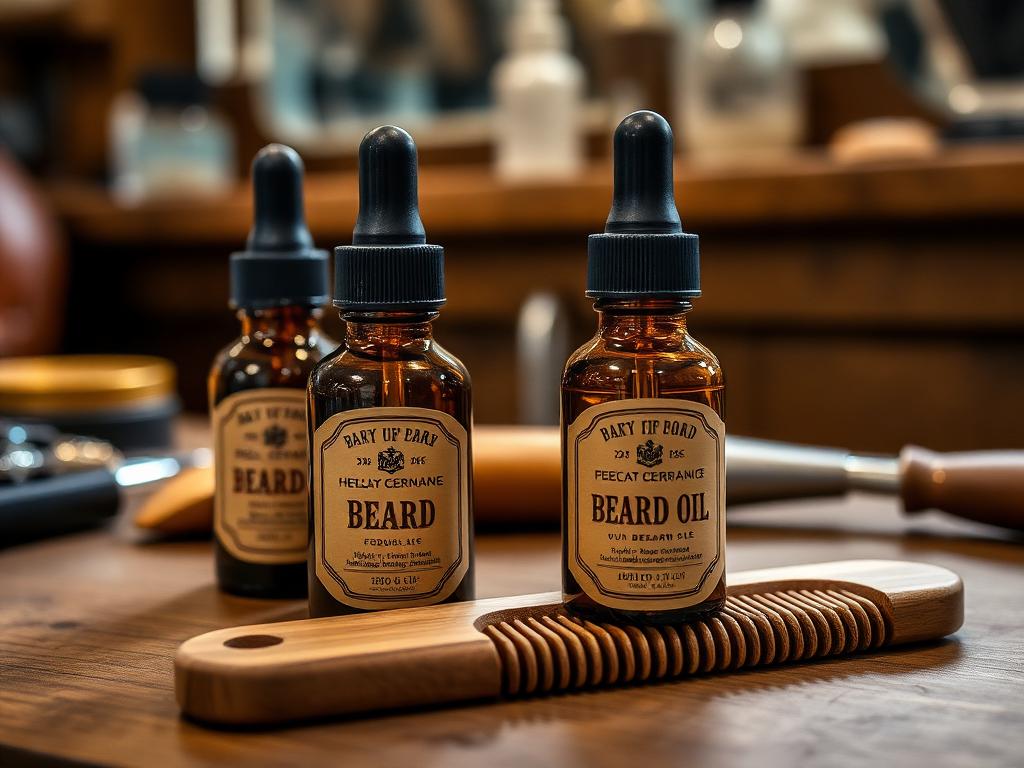
I started making beard oil for my husband after watching him wrestle with an unruly beard that seemed to have its own agenda. Commercial beard oils either cost a fortune or smelled like a cologne counter explosion. Surely, I thought, I could do better.
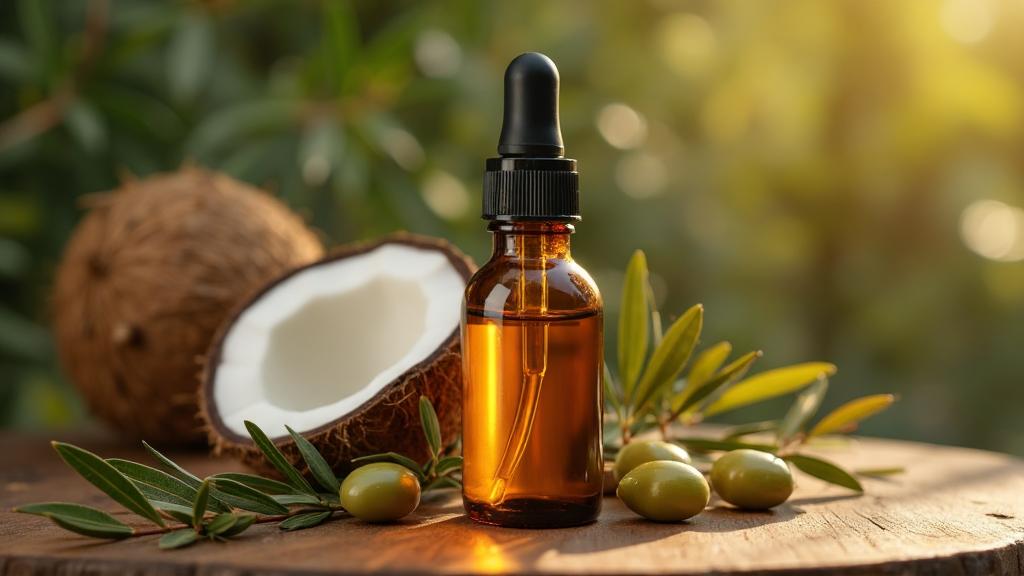
The key to effective beard oil lies in the carrier oil selection. Jojoba is structurally similar to human sebum, so it absorbs beautifully without leaving a greasy residue. Argan oil, liquid gold from Morocco, adds conditioning power that tames even the wildest whiskers. Together, they create a blend that sinks into hair and skin, doing good work invisibly.
Choosing essential oils for beard products requires thinking about proximity. This oil will be right under someone's nose all day long. The scent needs to be pleasant without being overwhelming, masculine without being aggressive. I settled on cedarwood and sandalwood—a forest floor in the afternoon, warm and grounded.
The formula is elegant in its simplicity: just oils, measured and combined. No heating, no emulsifying, no complicated techniques. Even someone who has never made anything from scratch can succeed on the first try. This makes beard oil an excellent entry point for men curious about DIY grooming but intimidated by more complex projects.
My husband now has a small collection of beard oils for different moods: the cedar-sandalwood for everyday, a brighter citrus blend for summer, a spicy holiday version with clove and cinnamon. His beard has transformed from a scratchy nuisance into something actually pleasant to touch.
Men who receive this as a gift often become converts to homemade grooming products. There's something empowering about knowing exactly what you're putting on your face, and something satisfying about the compliments that follow.
Safety Warnings
- Patch test essential oils for sensitivity
- Less is more - a few drops are sufficient
- Avoid eye area
- Some essential oils may cause photosensitivity
Tools Needed
- Small glass dropper bottle
- Small funnel
- Measuring spoons
- Label for bottle
Ingredients
Step-by-Step Instructions
Combine Carrier Oils
Pour jojoba and argan oils into dropper bottle using funnel.
Add Essential Oils
Add cedarwood and sandalwood drops to bottle.
Mix Well
Cap bottle and roll between hands to blend. Don't shake vigorously.
Label and Store
Label with ingredients and date. Allow to blend for 24 hours before use.
🔧 Common Mistakes & Fixes
📦 Storage Tips
- Store in dark glass to protect from light
- Use within 6 months
- Keep in cool place
🔗 References & Further Reading
Independent sources for the chemistry and safety information on this page. We are not affiliated with any of them.
- 1.Essential Oil(opens in a new tab)
Wikipedia
Extraction methods, composition, and documented sensitization risks of essential oils.
- 2.Saponification(opens in a new tab)
Wikipedia
The chemical reaction behind every bar of real soap, with reaction equations and history.
- 3.Sodium Hydroxide (CID 14798)(opens in a new tab)
PubChem, National Library of Medicine
Full chemical and hazard profile for lye, including GHS classification and handling data.
- 4.Sodium Hydroxide Poisoning(opens in a new tab)
MedlinePlus, National Institutes of Health
Symptoms and emergency first-aid steps for lye exposure. Worth reading before you open the bottle.
- 5.Personal Protective Equipment — Overview(opens in a new tab)
U.S. Occupational Safety and Health Administration
What eye, hand, and skin protection actually protects against, and how to choose it.
- 6.Poison Help(opens in a new tab)
U.S. Health Resources and Services Administration
Poison control hotline and online help. Keep this reachable while you work.
- 7.Handcrafted Soap and Cosmetic Guild(opens in a new tab)
HSCG
Industry association for handcrafted soap makers, with labeling and regulatory guidance.
- 8.Safer Chemical Ingredients List(opens in a new tab)
U.S. Environmental Protection Agency
EPA-reviewed ingredients grouped by function, useful when substituting additives.