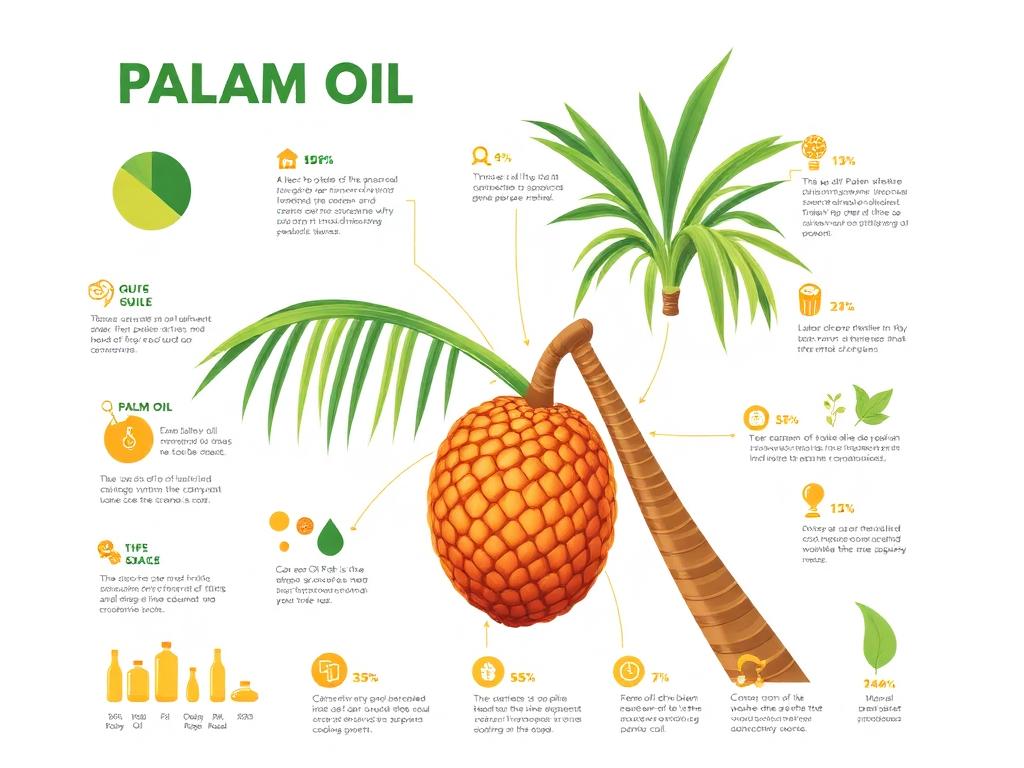
No ingredient in soapmaking sparks more debate than palm oil. It's incredibly useful—contributing hardness, creamy lather, and mild cleansing to finished bars. But its cultivation has been linked to deforestation, habitat destruction, and human rights concerns. Every soapmaker must eventually grapple with this complex issue.
I spent years avoiding the question, simply removing palm from my recipes. But the more I learned, the more I realized that blanket avoidance wasn't necessarily the right answer. The palm oil industry employs millions of smallholder farmers whose livelihoods depend on the crop. Complete abandonment might hurt the people we're trying to help while doing little to save rainforests.
The sustainable palm oil movement, represented by organizations like RSPO (Roundtable on Sustainable Palm Oil), attempts to provide a middle path. Certified sustainable palm comes from plantations that meet environmental and social standards—no deforestation of primary forests, respect for indigenous rights, fair treatment of workers. It's not perfect, but it's a framework for doing better.
In soap, palm oil contributes properties that are difficult to replicate with other single oils. It creates a hard bar that lasts well in the shower. The lather is creamy and stable. The cleansing is thorough but not harsh. Recipes without palm often require more complex oil combinations to achieve similar results.
After years of experimentation, I've developed formulas for both paths: recipes using certified sustainable palm oil for those who choose that route, and palm-free recipes for those who prefer complete avoidance. Both can produce excellent soap. The choice is personal, informed by individual values and priorities.
What I've learned is that there's no easy answer. Every choice in soapmaking, like every choice in life, involves tradeoffs. The important thing is to make informed decisions, understanding the implications of each ingredient we use.
Safety Warnings
- Sustainable sourcing is essential
- Verify RSPO certification
- Some palm products are mislabeled
- Standard soapmaking safety applies when using
Tools Needed
- Understanding of certification systems
- Reliable sustainable suppliers
- Recipe calculation skills
Ingredients
Step-by-Step Instructions
Understand the Issues
Research both environmental and social aspects of palm production.
Research Sources
Find suppliers with verifiable sustainable certifications.
Calculate Recipes
Palm typically comprises 20-30% of cold process soap recipes.
Consider Alternatives
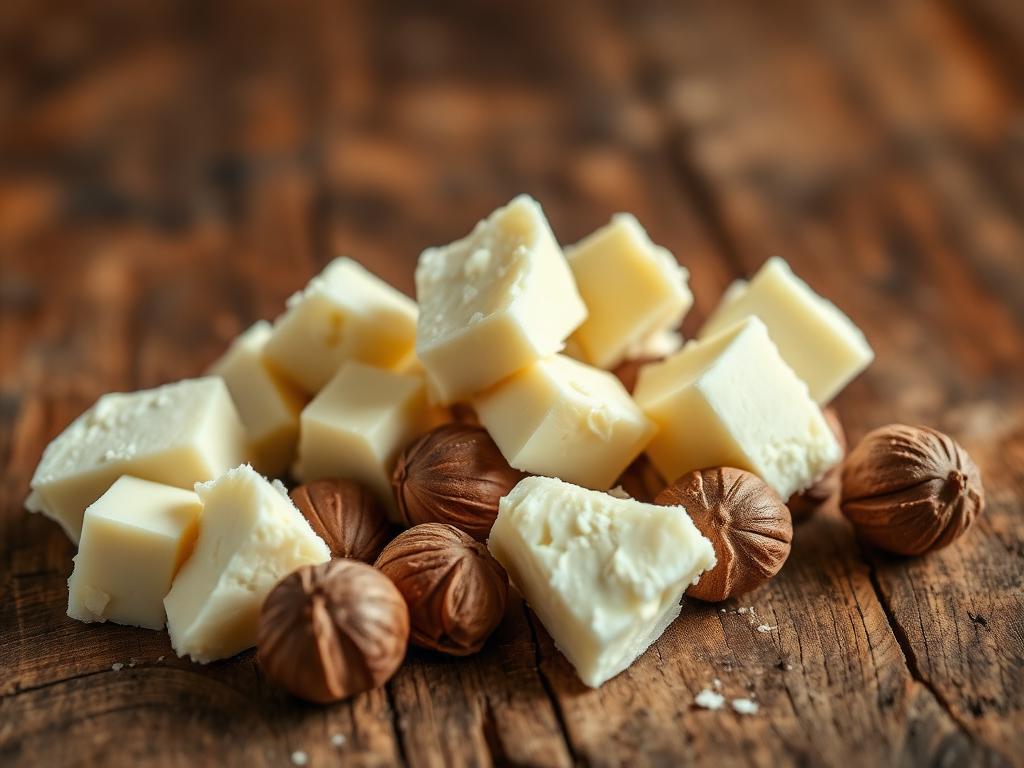
Explore palm-free recipes using kokum butter, lard, or tallow.
🔧 Common Mistakes & Fixes
📦 Storage Tips
- Store like other solid oils
- Keep cool to prevent rancidity
- Refined palm has longer shelf life
🔗 References & Further Reading
Independent sources for the chemistry and safety information on this page. We are not affiliated with any of them.
- 1.Lauric Acid (CID 3893)(opens in a new tab)
PubChem, National Library of Medicine
The fatty acid that drives coconut oil’s hardness and cleansing power in a recipe.
- 2.Saponification(opens in a new tab)
Wikipedia
The chemical reaction behind every bar of real soap, with reaction equations and history.
- 3.Sodium Hydroxide (CID 14798)(opens in a new tab)
PubChem, National Library of Medicine
Full chemical and hazard profile for lye, including GHS classification and handling data.
- 4.Sodium Hydroxide Poisoning(opens in a new tab)
MedlinePlus, National Institutes of Health
Symptoms and emergency first-aid steps for lye exposure. Worth reading before you open the bottle.
- 5.Personal Protective Equipment — Overview(opens in a new tab)
U.S. Occupational Safety and Health Administration
What eye, hand, and skin protection actually protects against, and how to choose it.
- 6.Poison Help(opens in a new tab)
U.S. Health Resources and Services Administration
Poison control hotline and online help. Keep this reachable while you work.
- 7.Handcrafted Soap and Cosmetic Guild(opens in a new tab)
HSCG
Industry association for handcrafted soap makers, with labeling and regulatory guidance.
- 8.Safer Chemical Ingredients List(opens in a new tab)
U.S. Environmental Protection Agency
EPA-reviewed ingredients grouped by function, useful when substituting additives.