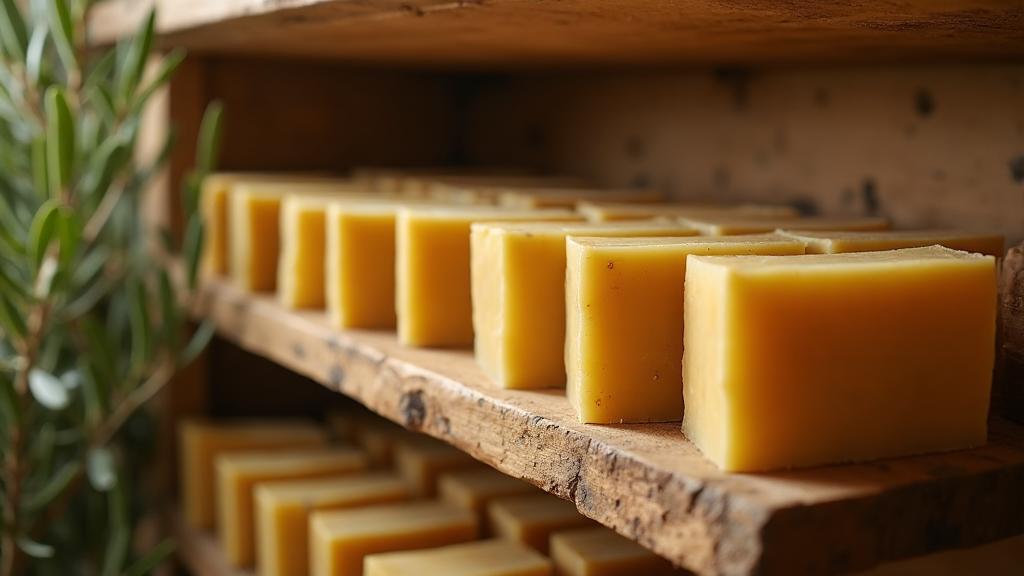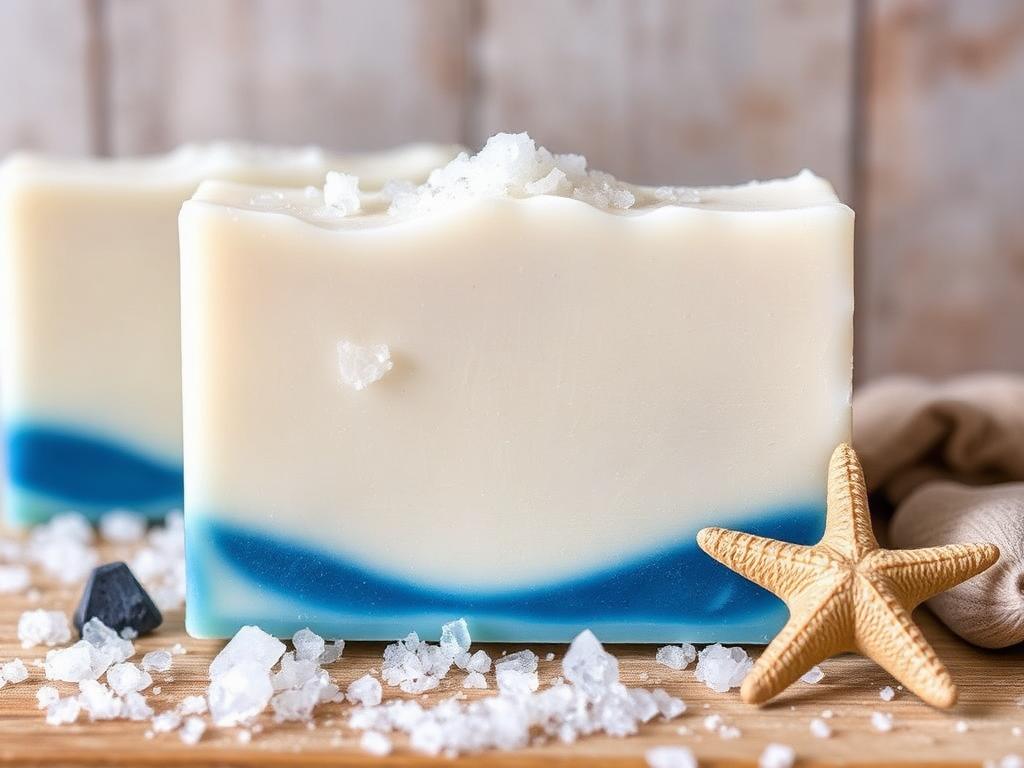
Salt bars represent one of cold process soap making's most demanding challenges. The massive quantity of salt—often equal in weight to the oils themselves—fundamentally changes how the soap behaves during and after creation. Everything happens faster. The window for action shrinks dramatically. There's no casual approach to salt bars; you're either prepared and focused, or you're scraping hardened soap out of your mold with a chisel.
I learned this lesson the expensive way. My first salt bar attempt used a beautiful wooden mold I'd built specifically for the project. Within two hours of pouring, the soap had set rock-hard. I hadn't realized salt bars should be cut within thirty minutes of pouring—while the soap is still soft enough to slice but firm enough to hold its shape. That gorgeous wooden mold eventually yielded its contents, but only after several hours of determined prying and some unfortunate gouges in the wood.
The resulting bars, though, made the struggle worthwhile. Salt soap produces a unique sensory experience—a hard, smooth bar with incredibly fine lather and remarkable longevity. A salt bar might last twice as long as a standard cold process soap, making it economical despite the specialized technique. The texture feels different too: slightly grainy from the salt content, almost spa-like.
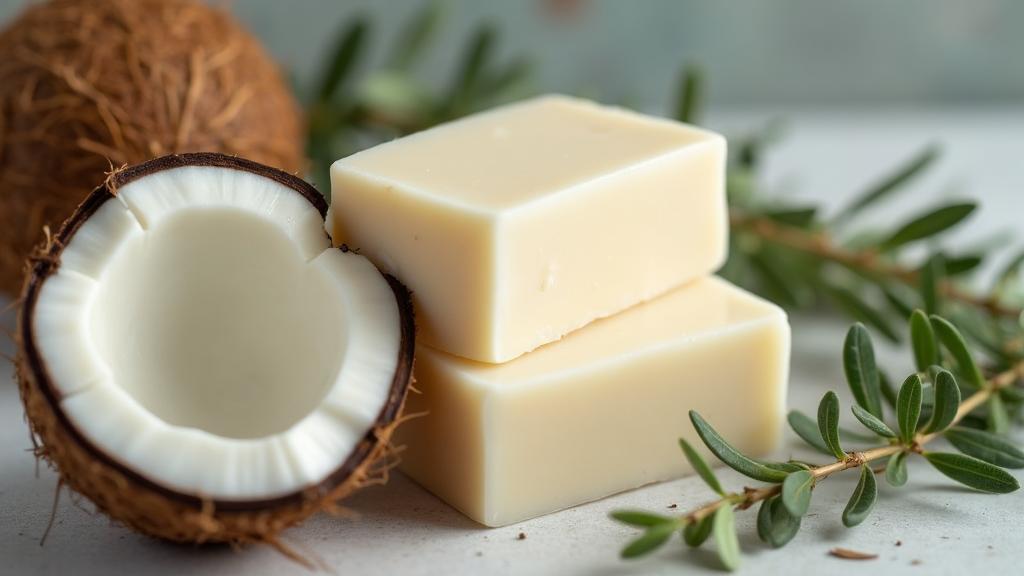
High coconut oil content is essential for salt bars. Most recipes use eighty to one hundred percent coconut oil because it's the only common soap-making fat that lathers well in the presence of salt. Traditional recipes mixing multiple oils produce anemic lather when combined with salt—the minerals interfere with the fatty acid chemistry that creates bubbles. Pure coconut oil soap pushes through this barrier, generating satisfying foam despite the salt.
The irony of salt bars is their gentleness despite this coconut-heavy formula. Normally, pure coconut oil soap would strip your skin raw. Salt moderates this effect somehow, creating a bar that cleanses thoroughly without the drying harshness of typical coconut soap. It's one of soapmaking's happy mysteries.
Safety Warnings
- Must cut bars within 30-60 minutes - have everything ready
- Standard lye safety gear required
- Salt may cause stinging on cuts or sensitive areas
- Work quickly - trace happens fast
Tools Needed
- Safety goggles and chemical-resistant gloves
- Digital scale
- Stick blender
- Individual cavity molds (NOT loaf molds)
- Timer
- Knife ready for cutting if using loaf
Ingredients
Step-by-Step Instructions
Prepare Everything First
Have molds, salt measured, fragrance ready. You will not have time to search for supplies later.
Make Lye Solution
Add lye to water. Can use while still warm - faster cooling isn't necessary for this recipe.
Blend Quickly
Add lye solution to melted coconut oil. Blend to light trace - this happens very fast.
Add Salt Immediately
Dump in salt all at once and stir vigorously. Pour into molds immediately.
Monitor and Cut
Check soap every 15 minutes. Cut when firm but still slightly soft (usually 30-60 minutes).
Short Cure
Salt bars cure faster - 2-3 weeks is typically sufficient.
🔧 Common Mistakes & Fixes
📦 Storage Tips
- Salt bars attract moisture - wrap tightly
- Cure 2-3 weeks (shorter than regular CP)
- Store in dry place
🔗 References & Further Reading
Independent sources for the chemistry and safety information on this page. We are not affiliated with any of them.
- 1.Soap Making Safety(opens in a new tab)
Handcrafted Soap and Cosmetic Guild
Workspace, storage, and handling practices specific to lye-based soap making.
- 2.Saponification(opens in a new tab)
Wikipedia
The chemical reaction behind every bar of real soap, with reaction equations and history.
- 3.Sodium Hydroxide (CID 14798)(opens in a new tab)
PubChem, National Library of Medicine
Full chemical and hazard profile for lye, including GHS classification and handling data.
- 4.Sodium Hydroxide Poisoning(opens in a new tab)
MedlinePlus, National Institutes of Health
Symptoms and emergency first-aid steps for lye exposure. Worth reading before you open the bottle.
- 5.Personal Protective Equipment — Overview(opens in a new tab)
U.S. Occupational Safety and Health Administration
What eye, hand, and skin protection actually protects against, and how to choose it.
- 6.Poison Help(opens in a new tab)
U.S. Health Resources and Services Administration
Poison control hotline and online help. Keep this reachable while you work.
- 7.Handcrafted Soap and Cosmetic Guild(opens in a new tab)
HSCG
Industry association for handcrafted soap makers, with labeling and regulatory guidance.
- 8.Safer Chemical Ingredients List(opens in a new tab)
U.S. Environmental Protection Agency
EPA-reviewed ingredients grouped by function, useful when substituting additives.