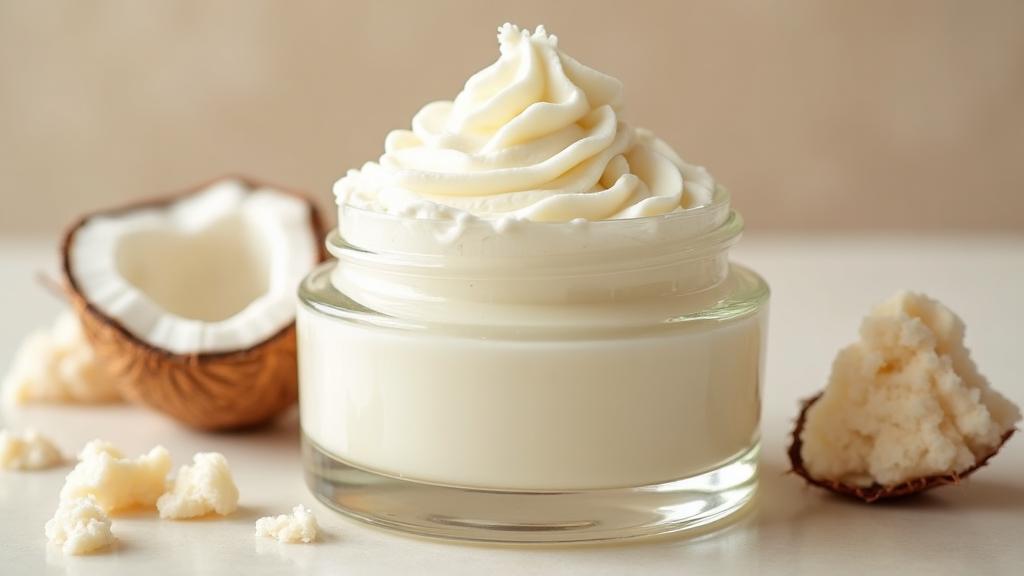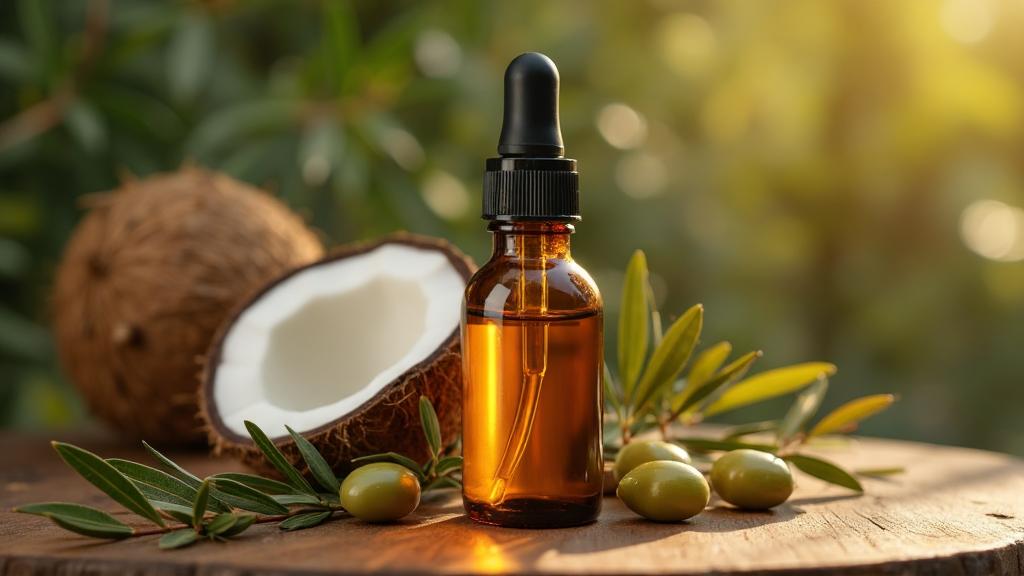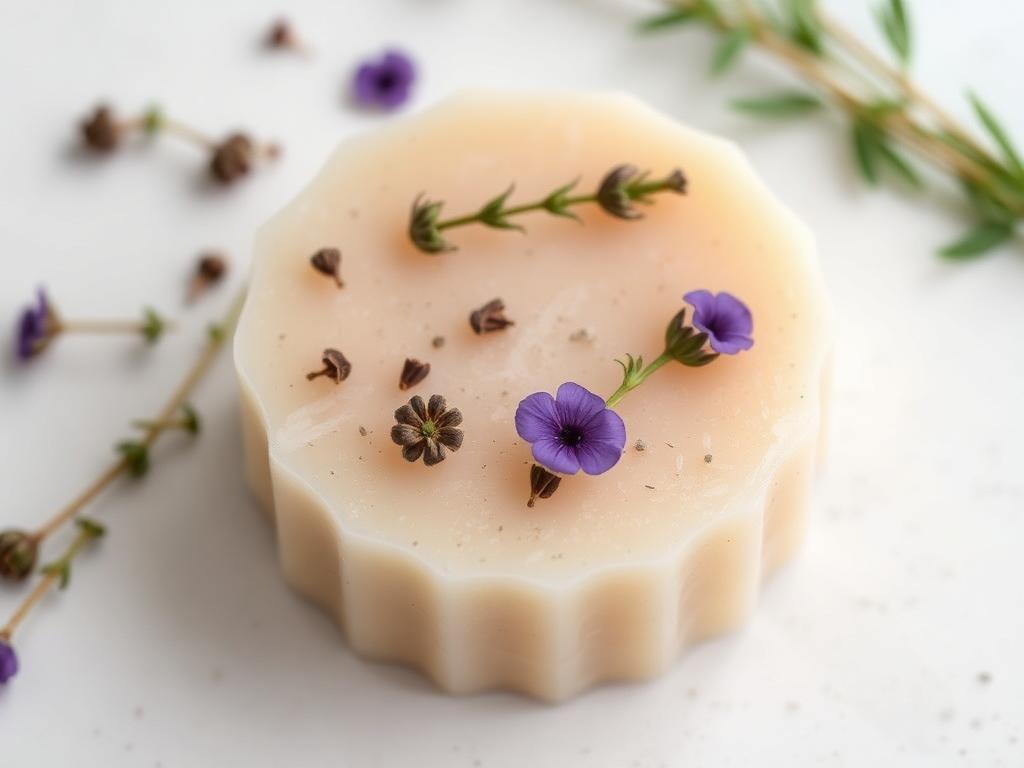
The transition from liquid shampoo to solid bars marked a turning point in my bathroom's zero-waste journey. Those plastic bottles had accumulated for years—some recycled, many not—representing a steady stream of petroleum-based packaging flowing through my life. Shampoo bars eliminated that stream entirely. One bar, lasting months, wrapped in paper or nothing at all.
But shampoo bars present formulation challenges that body soap doesn't. Hair has different needs than skin. It wants slip, detangling, conditioning. A soap that works wonderfully on the body might leave hair tangled, coated with residue, or stripped of natural oils. The transition period—often called "the purge"—can take weeks as hair adjusts from commercial detergents to natural soap.
Castor oil is the secret weapon in shampoo bar formulation. This thick, sticky oil produces abundant, creamy lather unlike any other soap-making fat. Used at fifteen to twenty percent of the recipe, castor oil transforms an ordinary soap into something that feels genuinely shampoo-like. The bubbles are smaller, more stable, and coating rather than fluffy.
The recipe I'm sharing has evolved through dozens of iterations and many unhappy hair days. The current version produces good lather, rinses cleanly, and doesn't leave that waxy residue that plagued my early attempts. It works best with soft water—if you have hard water, you may need an acidic rinse (diluted apple cider vinegar) after washing to remove any film.
Patience matters enormously with shampoo bars. The extended cure time—six to eight weeks rather than the standard four—allows the bar to become milder and harder. Freshly made shampoo bars work poorly. Given adequate time to cure, they perform significantly better. Many people who declare shampoo bars failures simply didn't wait long enough.
Safety Warnings
- Standard lye safety equipment required
- Extended cure time is mandatory - do not use before 6 weeks
- Transition period may last 2-4 weeks as hair adjusts
- May need acidic rinse for hard water areas
Tools Needed
- Safety goggles and chemical-resistant gloves
- Digital scale accurate to 0.1g
- Stick blender
- Thermometer
- Silicone bar mold
Ingredients
Step-by-Step Instructions
Make Lye Solution
Add lye to water carefully. Cool to approximately 100°F.
Combine Oils
Melt coconut oil, add other oils. Cool to 100°F.
Blend
Add lye solution to oils, blend to light-medium trace.
Add Essential Oils
If using, add essential oils at light trace and stir.
Pour and Cure
Pour into mold. Unmold after 48-72 hours. Cure 6-8 WEEKS minimum.
🔧 Common Mistakes & Fixes
📦 Storage Tips
- Cure minimum 6 weeks, 8+ is better
- Keep dry between uses on a draining soap dish
- Store away from humidity
Real DIYer Story
"I was so excited about my shampoo bar that I used it at 4 weeks. My hair was a waxy mess for a week afterward. I almost gave up on shampoo bars entirely before trying again at 8 weeks of cure. Night and day difference!"
— Amanda R.
🔗 References & Further Reading
Independent sources for the chemistry and safety information on this page. We are not affiliated with any of them.
- 1.Essential Oil(opens in a new tab)
Wikipedia
Extraction methods, composition, and documented sensitization risks of essential oils.
- 2.Saponification(opens in a new tab)
Wikipedia
The chemical reaction behind every bar of real soap, with reaction equations and history.
- 3.Sodium Hydroxide (CID 14798)(opens in a new tab)
PubChem, National Library of Medicine
Full chemical and hazard profile for lye, including GHS classification and handling data.
- 4.Sodium Hydroxide Poisoning(opens in a new tab)
MedlinePlus, National Institutes of Health
Symptoms and emergency first-aid steps for lye exposure. Worth reading before you open the bottle.
- 5.Personal Protective Equipment — Overview(opens in a new tab)
U.S. Occupational Safety and Health Administration
What eye, hand, and skin protection actually protects against, and how to choose it.
- 6.Poison Help(opens in a new tab)
U.S. Health Resources and Services Administration
Poison control hotline and online help. Keep this reachable while you work.
- 7.Handcrafted Soap and Cosmetic Guild(opens in a new tab)
HSCG
Industry association for handcrafted soap makers, with labeling and regulatory guidance.
- 8.Safer Chemical Ingredients List(opens in a new tab)
U.S. Environmental Protection Agency
EPA-reviewed ingredients grouped by function, useful when substituting additives.