Commercial perfumes present a dilemma for the ingredient-conscious. Those elegant bottles contain not just fragrance but a cocktail of synthetic compounds, stabilizers, and often alcohol that can irritate sensitive skin. The ingredient lists read like chemistry exams. When I started questioning what I was spraying on my pulse points daily, solid perfume emerged as the obvious alternative.
Solid perfume is essentially fragrance suspended in a wax and oil base. The concept dates back millennia—ancient Egyptians used scented oils and fats as personal fragrance. Modern solid perfume takes this principle and refines it into a portable, spillproof format perfect for travel, touchups, and the kind of gentle, close-wear scent that doesn't announce your arrival from across the room.
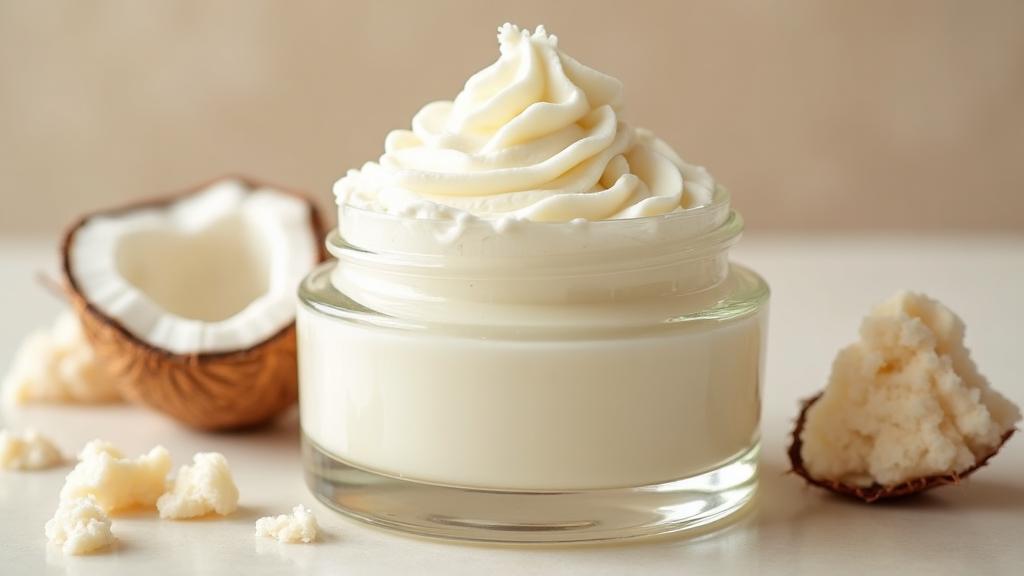
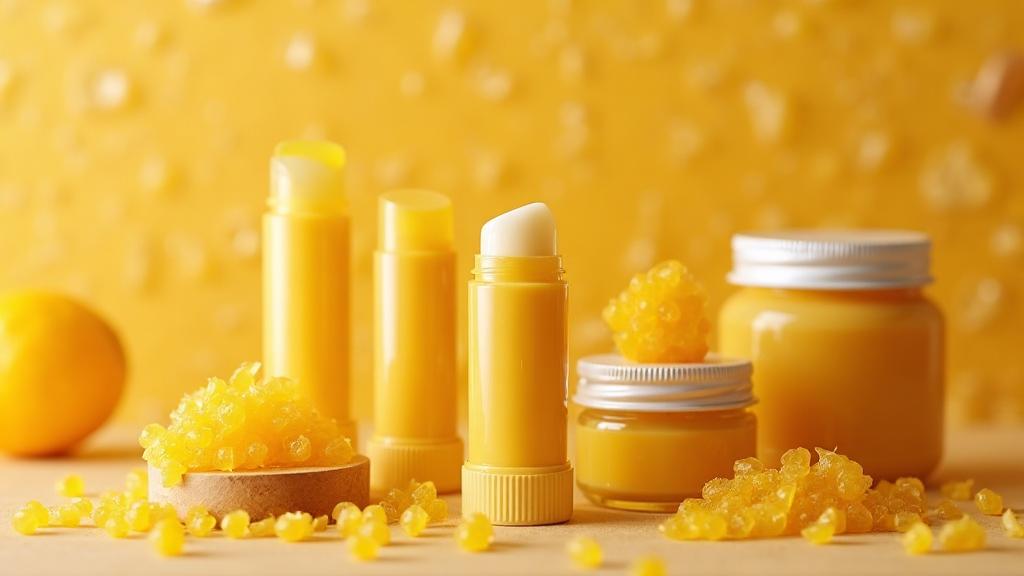
The base of any solid perfume requires careful balance. Too much wax creates a hard product that won't transfer enough fragrance to skin. Too little wax creates an oily mess that never fully sets. I've landed on a ratio of roughly one part beeswax to two parts carrier oil, which produces a firm but scoopable consistency that melts easily on contact with warm skin.
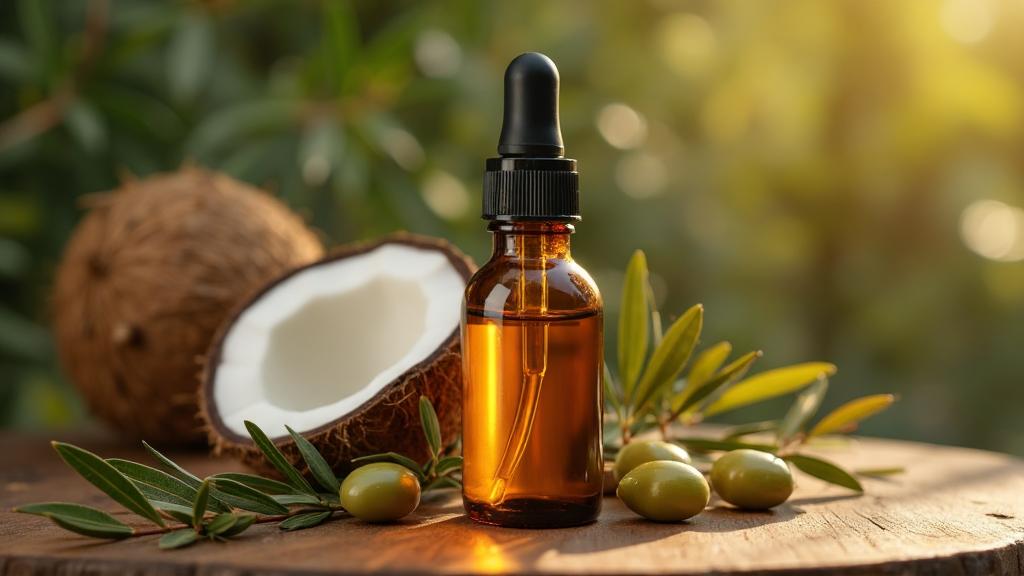
Choosing your essential oils represents the creative heart of this project. You might recreate a beloved commercial fragrance using blending guides available online, or develop something entirely personal. I favor combinations that evolve over time: bright citrus top notes that appear first, floral middle notes that emerge as the citrus fades, and warm woody base notes that linger for hours.
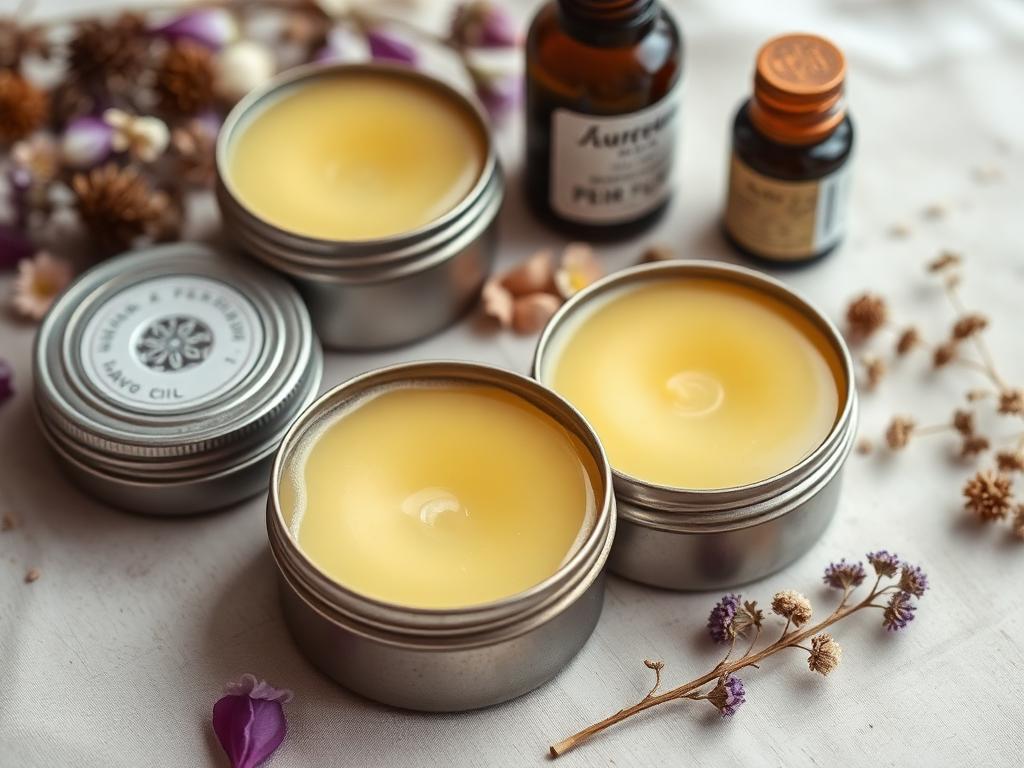
The finished perfume in a small tin or vintage locket container becomes deeply personal—a scent that's uniquely yours, made with your own hands, containing only ingredients you've chosen deliberately. There's intimacy in that intentionality that no department store counter can match.
Safety Warnings
- Test essential oils for skin sensitivity before using
- Some essential oils are phototoxic - avoid citrus oils before sun exposure
- Use only skin-safe essential oils
- Keep away from eyes and mucous membranes
Tools Needed
- Double boiler or makeshift setup
- Small tins or lip balm containers
- Wooden stirring stick
- Small measuring cups
Ingredients
Step-by-Step Instructions
Create Your Blend
Choose your essential oil combination. Start with 20 drops base notes, 12 drops middle notes, 8 drops top notes.
Melt Beeswax
Melt beeswax in double boiler until liquid.
Add Oil
Remove from heat, quickly add sweet almond oil and stir.
Add Essential Oils
When slightly cooled but still liquid, add essential oil blend and stir.
Pour and Set
Quickly pour into containers. Allow to set undisturbed for 1-2 hours.
🔧 Common Mistakes & Fixes
📦 Storage Tips
- Store in cool place away from heat
- Keep lid on to preserve scent
- Use within 6 months for best fragrance
🔗 References & Further Reading
Independent sources for the chemistry and safety information on this page. We are not affiliated with any of them.
- 1.Essential Oil(opens in a new tab)
Wikipedia
Extraction methods, composition, and documented sensitization risks of essential oils.
- 2.Saponification(opens in a new tab)
Wikipedia
The chemical reaction behind every bar of real soap, with reaction equations and history.
- 3.Sodium Hydroxide (CID 14798)(opens in a new tab)
PubChem, National Library of Medicine
Full chemical and hazard profile for lye, including GHS classification and handling data.
- 4.Sodium Hydroxide Poisoning(opens in a new tab)
MedlinePlus, National Institutes of Health
Symptoms and emergency first-aid steps for lye exposure. Worth reading before you open the bottle.
- 5.Personal Protective Equipment — Overview(opens in a new tab)
U.S. Occupational Safety and Health Administration
What eye, hand, and skin protection actually protects against, and how to choose it.
- 6.Poison Help(opens in a new tab)
U.S. Health Resources and Services Administration
Poison control hotline and online help. Keep this reachable while you work.
- 7.Handcrafted Soap and Cosmetic Guild(opens in a new tab)
HSCG
Industry association for handcrafted soap makers, with labeling and regulatory guidance.
- 8.Safer Chemical Ingredients List(opens in a new tab)
U.S. Environmental Protection Agency
EPA-reviewed ingredients grouped by function, useful when substituting additives.