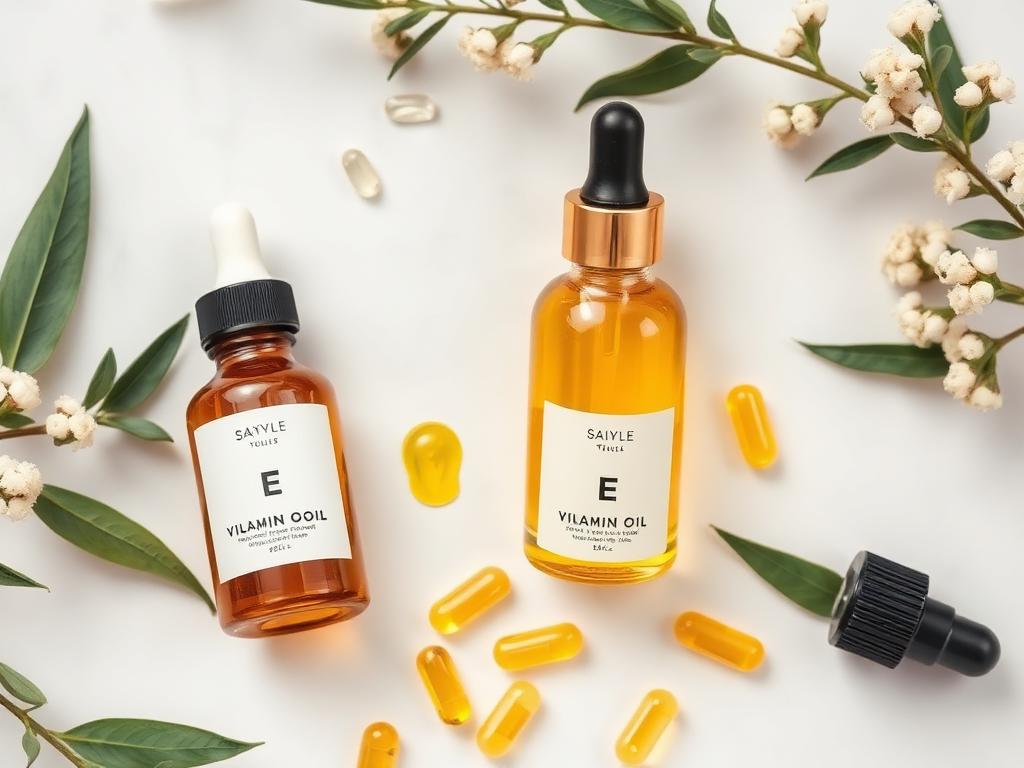
Vitamin E appears on ingredient lists everywhere, from commercial moisturizers to DIY recipes. But understanding what it actually does—and doesn't do—requires looking beyond the marketing hype. This powerful antioxidant has real benefits for skin, but it's also frequently misunderstood.
The first misconception to address: vitamin E is not a preservative. This surprises many people, because it does prevent oil rancidity. But there's a crucial difference between antioxidant and antimicrobial preservation. Vitamin E protects oils from oxidation—the process that makes fats go rancid. It does nothing to prevent bacterial or fungal growth in water-containing products.
For oil-based products like serums, balms, and body oils, vitamin E serves a valuable purpose. Adding just 0.5-1% to your oil blends extends their shelf life significantly by protecting the delicate fatty acids from breaking down. Think of it as sunscreen for your oils.
On skin, vitamin E has demonstrated benefits for moisture retention and may support wound healing. It's fat-soluble, meaning it penetrates the lipid layers of skin effectively. Many people apply it directly to scars, though the evidence for scar reduction is mixed.
The form of vitamin E matters. Tocopherol is the pure vitamin, available in natural (d-alpha-tocopherol) and synthetic (dl-alpha-tocopherol) forms. Natural forms are more bioavailable. Mixed tocopherols contain multiple forms of the vitamin and are excellent for oil preservation. Tocopheryl acetate is a more stable form often used in commercial products but is less useful as an antioxidant.
I keep vitamin E in my formulating cabinet and add it to every oil-based product I make. The peace of mind it provides—knowing my oils will stay fresh longer—is worth the small additional cost.
Safety Warnings
- Vitamin E is not a preservative for water-based products
- Some people are allergic - patch test
- Pure tocopherol can be sticky - use appropriate amount
- Store properly to maintain potency
Tools Needed
- Accurate dropper or pipette
- Dark glass storage bottles
- Understanding of percentages in formulating
Ingredients
Step-by-Step Instructions
Choose Right Type
Select tocopherol or mixed tocopherols for DIY.
Calculate Amount
Use 0.5-1% of total oil weight in formulas.
Add at Cool-Down
Add to oils after any heating is complete.
Store Properly
Keep vitamin E in cool, dark place.
🔧 Common Mistakes & Fixes
📦 Storage Tips
- Refrigerate after opening
- Keep in dark glass container
- Use within 1 year of opening
- Buy in small quantities
🔗 References & Further Reading
Independent sources for the chemistry and safety information on this page. We are not affiliated with any of them.
- 1.Lauric Acid (CID 3893)(opens in a new tab)
PubChem, National Library of Medicine
The fatty acid that drives coconut oil’s hardness and cleansing power in a recipe.
- 2.Saponification(opens in a new tab)
Wikipedia
The chemical reaction behind every bar of real soap, with reaction equations and history.
- 3.Sodium Hydroxide (CID 14798)(opens in a new tab)
PubChem, National Library of Medicine
Full chemical and hazard profile for lye, including GHS classification and handling data.
- 4.Sodium Hydroxide Poisoning(opens in a new tab)
MedlinePlus, National Institutes of Health
Symptoms and emergency first-aid steps for lye exposure. Worth reading before you open the bottle.
- 5.Personal Protective Equipment — Overview(opens in a new tab)
U.S. Occupational Safety and Health Administration
What eye, hand, and skin protection actually protects against, and how to choose it.
- 6.Poison Help(opens in a new tab)
U.S. Health Resources and Services Administration
Poison control hotline and online help. Keep this reachable while you work.
- 7.Handcrafted Soap and Cosmetic Guild(opens in a new tab)
HSCG
Industry association for handcrafted soap makers, with labeling and regulatory guidance.
- 8.Safer Chemical Ingredients List(opens in a new tab)
U.S. Environmental Protection Agency
EPA-reviewed ingredients grouped by function, useful when substituting additives.